
Patient education
Dental Crown Replacement In Marshall, TX: When An Older Crown Needs An Upgrade
A dental crown is designed to protect a tooth for many years, but no restoration lasts forever. Over time, a crown can wear down, loosen, crack, or stop fitting the…
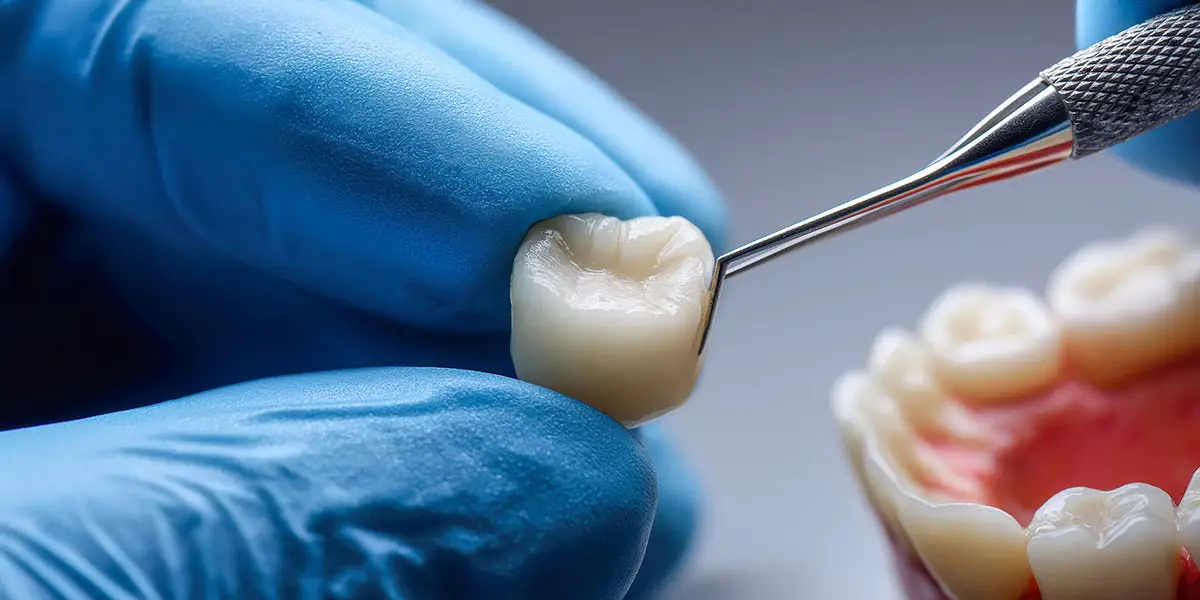
A dental crown is designed to protect a tooth for many years, but no restoration lasts forever. Over time, a crown can wear down, loosen, crack, or stop fitting the way it should. When that happens, dental crown replacement may be needed to restore strength, comfort, and a natural appearance.
At Griffin Dental, cosmetic dentistry in Marshall, TX can help patients improve the look of older dental work, while restorative care focuses on protecting tooth structure and bite function. Replacing an older crown is often both cosmetic and practical because it can improve appearance while protecting the tooth underneath.
What Is Dental Crown Replacement?
Dental crown replacement is the process of removing an old or failing crown and placing a new custom crown over the tooth. A crown may need replacement because it is worn, damaged, poorly fitting, discolored, loose, or allowing bacteria to collect around the edges.
The tooth underneath the crown must also be evaluated. Sometimes the tooth is healthy and simply needs a new crown. Other times, decay or cracks may be found under the old crown. In those cases, the tooth may need additional treatment before the new crown is placed.
The goal of dental crown replacement is to create a better seal, restore chewing comfort, and make the tooth look natural again.
Signs You May Need A New Dental Crown
Some crown problems are obvious, while others are subtle. You may need dental crown replacement if you notice:
- A crown that feels loose or moves slightly.
- Pain or sensitivity around a crowned tooth.
- A dark line near the gumline.
- A crown that looks worn, chipped, or cracked.
- Food getting trapped around the crown.
- Gums that are irritated around one crowned tooth.
- A bite that feels uneven or uncomfortable.
- An older crown that no longer matches your surrounding teeth.
If a crown comes off, save it and call the dental office. Do not use household glue to place it back on. The tooth should be checked to make sure it is still healthy and restorable.
Why Crowns Wear Out Over Time
Dental crowns are strong, but they handle daily chewing forces. Years of biting, grinding, temperature changes, and normal wear can affect the crown and the cement holding it in place. Gum recession can also expose the edge of the crown, making it more noticeable and sometimes more vulnerable to plaque buildup.
Older crowns may also show cosmetic changes. A crown that looked natural years ago may no longer match if surrounding teeth have changed color. Materials have also improved, so a new crown may offer a more lifelike appearance than an older restoration.
What Happens During Dental Crown Replacement?
The first step is an exam. Dr. Griffin checks the crown, bite, gums, and tooth underneath. X-rays may be used to look for decay, infection, or structural concerns. If replacement is recommended, the old crown is carefully removed.
Once the crown is removed, the tooth is cleaned and evaluated. If decay is present, it is removed. If the tooth needs a buildup to support the new crown, that is completed. Then the tooth is shaped as needed and impressions or digital scans are taken.
A temporary crown may be placed while the new crown is made. When the final crown is ready, Dr. Griffin checks the fit, bite, color, and comfort before securing it in place.
Benefits Of Dental Crown Replacement
- Dental crown replacement can restore a better seal around the tooth.
- It can improve chewing comfort when an old crown feels uneven.
- A new crown can protect a tooth from further damage or decay.
- Modern crown materials can improve the natural appearance of the smile.
- Replacing a loose crown can help prevent bacteria from reaching the tooth underneath.
- A properly fitted crown can reduce gum irritation caused by poor margins.
- It can refresh older dental work that no longer matches nearby teeth.
For many patients, dental crown replacement offers both protection and confidence. The tooth feels stronger, and the smile looks more consistent.
Dental Crown Replacement For Cosmetic Reasons
Not every crown replacement is caused by pain or damage. Some patients replace older crowns because they no longer like the appearance. Older crowns may look too opaque, too dark, too bulky, or mismatched compared with natural teeth.
Cosmetic crown replacement can be especially helpful for front teeth. A new crown can be designed with improved shape, shade, and translucency. If whitening is planned, it should usually happen before the new crown is made so the crown can match the brighter shade.
Dental Crown Replacement After Gum Recession
Gum recession can expose the edge of a crown or the darker root surface underneath. This may create a visible line near the gums. Depending on the situation, replacing the crown with a new design may improve the appearance and protect the exposed area.
However, gum health should be evaluated first. If inflammation or gum disease is present, it may need treatment before crown replacement. Healthy gums help the new crown look better and last longer.
How To Care For A New Dental Crown
A new crown should be cared for like a natural tooth. Brush twice daily, floss around the crown, and keep regular dental cleanings. The crown material cannot get a cavity, but the tooth underneath can still decay near the margin if plaque collects there.
If you grind or clench your teeth, a nightguard may be recommended. Heavy bite forces can chip porcelain, loosen crowns, or stress the tooth underneath. Protecting the crown at night can extend its lifespan.
When A Crown Cannot Be Replaced
Sometimes a tooth under an old crown is too damaged to support a new restoration. This may happen if decay extends deep below the gumline, if the root is cracked, or if infection has weakened the tooth. In those cases, extraction and replacement options may be discussed.
Possible replacement options include dental implants, bridges, or partial dentures. The goal is always to choose the option that protects your long-term oral health.
Common Questions About Dental Crown Replacement
Does Dental Crown Replacement Hurt?
Local anesthetic is used when needed to keep the visit comfortable. Mild soreness afterward is possible but usually temporary.
How Long Should A Dental Crown Last?
Many crowns last for years with good care. Lifespan depends on hygiene, bite forces, crown material, and regular dental visits.
Can An Old Crown Be Recemented Instead Of Replaced?
Sometimes, yes. If the crown and tooth are healthy, recementing may be possible. If the crown is damaged or decay is present, replacement may be better.
Will My New Crown Look Natural?
Yes. Modern crowns can be designed to match nearby teeth in shade, shape, and surface texture.
Restore Strength And A Natural Look
An older crown should feel comfortable, look natural, and protect the tooth underneath. If it feels loose, looks worn, or causes sensitivity, dental crown replacement may help restore your smile and prevent bigger problems.
To discuss dental crown replacement, contact Griffin Dental at 903-702-9993 or visit 402 W Bowie St, Marshall, TX 75670 to Book an Appointment.
New patients welcome
Your healthiest smile can start here.
Tell us what brings you in. We’ll listen, take a careful look, and help you understand what comes next.