
Patient education
Denture Sore Spots in Marshall, TX: Why They Happen and How to Find Lasting Comfort
Wearing dentures should make everyday activities easier, not turn every meal into a test of patience. Yet some patients notice tender gums, pressure points, or irritated areas after getting new…
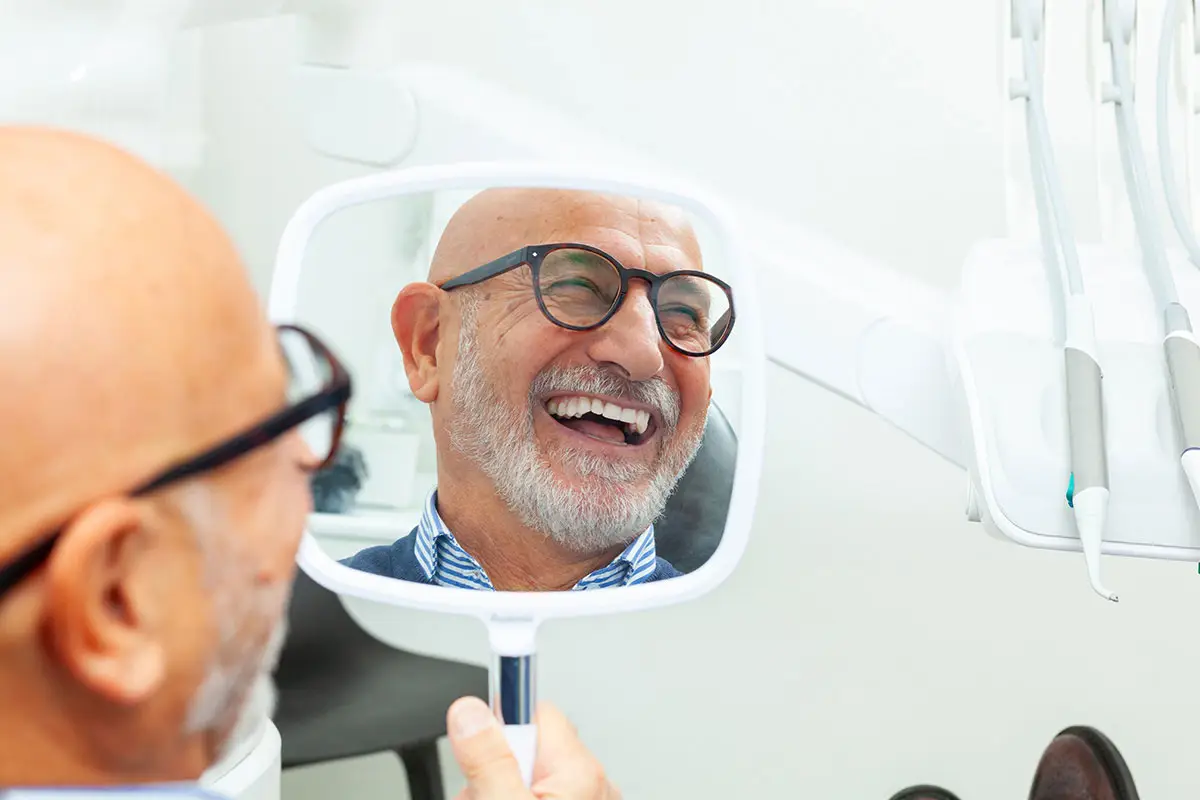
Wearing dentures should make everyday activities easier, not turn every meal into a test of patience. Yet some patients notice tender gums, pressure points, or irritated areas after getting new dentures or wearing an older set for several years. While some adjustment is normal, ongoing denture sore spots are a sign that something needs attention. Finding the cause can help restore comfort and protect the delicate tissues inside your mouth.
At Griffin Dental, dentures and partial dentures in Marshall, TX are designed with careful attention to fit, function, and daily comfort. Dr. Griffin can evaluate how an appliance rests against the gums and whether adjustments, relines, repairs, or a new denture design may help. Understanding why sore spots develop is the first step toward making dentures more comfortable.
What Are Denture Sore Spots?
Denture sore spots are areas of irritation caused by pressure, friction, or other problems involving a dental appliance and the tissues underneath. They may appear as red patches, small ulcers, swollen areas, or tender spots that hurt when the denture is worn.
Some soreness is common when a new denture is first delivered. Your mouth is adjusting to a different shape, and small pressure points may need to be refined. However, recurring soreness is not something you should accept as a normal part of wearing dentures.
Persistent irritation can make eating more difficult and may lead patients to stop wearing the appliance. In some cases, sores can become more serious if the source of pressure is not corrected.
Why Denture Sore Spots Develop
There are several reasons denture irritation may occur. One of the most common is an uneven fit. When a denture places too much pressure on one area, that tissue can become sore over time.
Another common cause is movement. If a denture rocks or slides during chewing, it creates friction against the gums. This can happen even when the denture initially fit well.
Other possible causes include:
- Changes in jawbone and gum shape after tooth loss.
- A denture that is too loose or unstable.
- Uneven biting pressure on certain areas.
- Food particles trapped under the denture.
- A rough or damaged spot on the appliance.
- Wearing dentures continuously without allowing tissues to rest.
- Dry mouth that reduces natural lubrication.
- Fungal infections or other oral tissue conditions.
Determining the cause matters because treatment for an uneven denture is different from treatment for an infection or dry mouth.
How Your Mouth Changes After Tooth Loss
When natural teeth are removed, the jawbone gradually changes. Without tooth roots providing normal stimulation, bone in the area can shrink over time.
As the bone changes, the gums also change shape. A denture that once fit closely may develop spaces between its base and the tissue underneath. This can allow the denture to shift during meals and conversations.
These changes are particularly noticeable during the months following tooth extractions, but they can continue for years. That is why dentures require regular evaluations rather than being treated as permanent appliances that never need attention.
An adjustment or reline may help the denture fit more closely to the current shape of your mouth.
New Dentures Versus Older Dentures
New dentures often require a period of adjustment. The tongue, cheeks, lips, and jaw muscles need time to adapt. Small sore spots may appear during this process and can usually be corrected with professional adjustments.
Older dentures develop problems for different reasons. The denture base may no longer match the gum shape, the teeth may have worn down, or the bite may have changed. As a result, pressure can become uneven.
Patients sometimes try to manage older dentures by adding more adhesive. While adhesive can provide extra hold, it cannot correct a denture that is poorly shaped or has an uneven bite.
A professional evaluation helps identify whether the appliance can be adjusted or whether a larger repair is needed.
Benefits of Professional Denture Sore Spot Treatment
- Improved comfort: Reducing pressure points may make dentures easier to wear throughout the day.
- Healthier tissues: Removing sources of friction helps irritated gums recover.
- Better chewing: A more stable denture can make meals feel less difficult.
- Improved speech: Reduced movement may help dentures stay in place during conversations.
- Less reliance on adhesive: Correcting the fit may reduce the amount of adhesive needed.
- Earlier problem detection: An exam can identify cracks, fungal irritation, or other concerns.
- Longer appliance life: Timely adjustments may help preserve dentures that are otherwise in good condition.
Professional treatment focuses on more than covering the sore area. The goal is to identify and correct the reason the tissue is becoming irritated.
How Denture Adjustments Work
During an adjustment visit, Dr. Griffin examines the sore area and checks how the denture contacts the gums. Special materials may be used to identify pressure points on the appliance.
The denture can then be adjusted carefully to reduce excessive pressure. The bite may also be checked because uneven chewing forces can contribute to irritation.
Some patients need more than one small adjustment, especially after receiving new dentures. This is common because the mouth may respond differently as the tissues recover.
Never try to grind, file, or reshape your dentures at home. Removing material from the wrong area can damage the appliance and make the fit worse.
When a Denture Reline May Be Needed
A denture reline updates the tissue-facing surface of the appliance to match the current shape of your gums. This may be recommended when the denture is generally in good condition but no longer fits closely.
Relines can use soft or hard materials depending on the situation. Soft liners may be helpful for certain sensitive tissues or temporary healing needs, while hard relines are often used for more durable fit improvements.
If the denture teeth are severely worn, the bite is incorrect, or the appliance is damaged, a new denture may provide better results than a reline alone.
What You Can Do at Home for Denture Discomfort
If you develop a sore spot, remove your dentures when appropriate to give the tissues a break. Clean the appliance thoroughly and check for trapped food particles.
Warm saltwater rinses may help soothe mild irritation. Avoid harsh mouthwashes that cause burning. Continue cleaning the gums and tongue gently with a soft toothbrush or damp cloth.
Do not place over-the-counter adhesives directly over a sore area in an attempt to create padding. This may hide the problem without correcting the underlying pressure.
It can be helpful to wear your dentures for a short period before your adjustment appointment, if tolerable, so the irritated area can be identified. However, do not continue wearing them through severe pain or active injury.
How Dry Mouth Affects Denture Comfort
Saliva provides natural moisture and lubrication between a denture and the surrounding tissues. When saliva levels are low, the denture may create more friction against the gums.
Dry mouth can also make swallowing, speaking, and chewing more difficult. Some medications and health conditions reduce saliva production, and these factors should be discussed during your dental visit.
Moisturizing products may improve comfort, but they cannot replace the need for a properly fitting appliance. Both dryness and fit should be addressed when symptoms continue.
Could Dental Implants Improve Denture Stability?
For patients who repeatedly struggle with loose lower dentures, implant-supported dentures may be worth considering.
Dental implants provide anchors that help hold the denture in position. This can reduce movement during chewing and speaking, potentially lowering friction that contributes to sore spots.
Implant-supported dentures still require cleaning and maintenance, and they are not appropriate for every patient. Bone health, medical history, budget, and personal goals all influence the recommendation.
However, they can provide an alternative when repeated adjustments do not give traditional dentures enough stability.
Frequently Asked Questions About Denture Sore Spots
Are Denture Sore Spots Normal?
Minor irritation can occur with new dentures. However, ongoing or severe soreness should be evaluated because the fit may need adjustment.
Should I Stop Wearing My Dentures if My Gums Hurt?
Removing dentures temporarily may help irritated tissues rest. Contact your dentist for instructions if pain or sores continue.
Can Denture Adhesive Fix Sore Spots?
Adhesive may improve temporary hold, but it does not correct an uneven fit, damaged appliance, or tissue infection.
When Should Dentures Be Replaced?
Replacement may be needed when a denture is severely worn, damaged, or no longer fits properly despite adjustments and relines.
Making Everyday Denture Wear More Comfortable
Denture sore spots should not prevent you from enjoying meals, speaking comfortably, or wearing your replacement teeth. Identifying pressure points, improving fit, and maintaining healthy oral tissues can make a meaningful difference in daily life.
If your dentures are rubbing, shifting, or creating repeated soreness, contact Griffin Dental at 903-702-9993 or visit 402 W Bowie St, Marshall, TX 75670 to Book an Appointment for a professional denture evaluation.
New patients welcome
Your healthiest smile can start here.
Tell us what brings you in. We’ll listen, take a careful look, and help you understand what comes next.