
Patient education
Bone Grafting for Dental Implants in Marshall, TX: Building a Strong Foundation for Tooth Replacement
A strong house needs a dependable foundation. The same idea applies to dental implants. When a tooth is missing, the jawbone that once supported its root can slowly change. If…
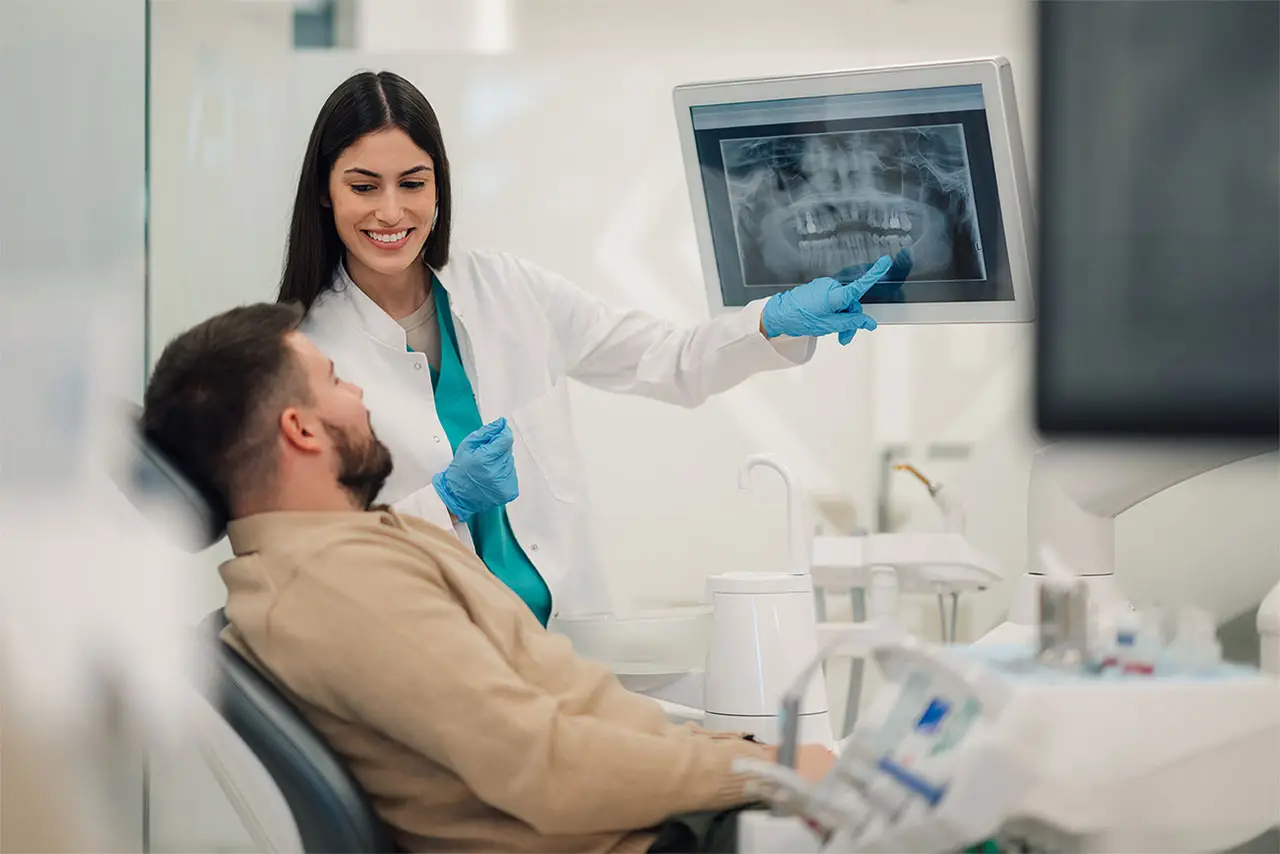
A strong house needs a dependable foundation. The same idea applies to dental implants. When a tooth is missing, the jawbone that once supported its root can slowly change. If too much bone has been lost, there may not be enough support for an implant to be placed safely. Bone grafting can help rebuild or preserve the foundation needed for a successful tooth replacement plan.
At Griffin Dental, dental implants in Marshall, TX are planned around each patient’s bone structure, oral health, and long-term goals. Not everyone needs bone grafting before implant treatment. However, understanding when it may be recommended can help patients feel more prepared and confident about replacing missing teeth.
What Is Dental Bone Grafting?
Dental bone grafting is a procedure used to add bone graft material to an area where the jawbone needs additional support. The graft acts as a framework that encourages the body to form new bone as healing takes place.
Bone graft material may come from processed donor bone, animal-derived materials, synthetic materials, or, in some cases, the patient’s own bone. The best choice depends on the location, amount of bone needed, and treatment plan.
Over time, the grafted area heals and develops a stronger foundation. Once adequate support is present, a dental implant may be placed. Some patients can receive a graft at the same time as an extraction or implant placement, while others need a separate healing period.
Why Jawbone Loss Happens After Tooth Loss
Natural teeth do more than help you chew. Their roots transfer everyday biting forces into the jawbone. These forces help the body maintain bone around the teeth.
When a tooth is lost, the bone in that area no longer receives the same stimulation. As a result, the jawbone can gradually shrink. This process may begin within months after tooth removal and can continue over time.
Other factors can also contribute to bone loss. Advanced gum disease may damage the bone supporting teeth. Long-standing infections, injuries, or certain anatomical conditions may leave an area with less bone than an implant requires.
Bone grafting is one way to address these changes and create better support for future dental treatment.
When Bone Grafting May Be Recommended
Dr. Griffin may recommend bone grafting when an exam or imaging shows that the jawbone is too narrow, too short, or otherwise unsuitable for the planned implant.
Common situations include:
- A tooth has been missing for several years.
- An extraction site has lost part of its supporting bone.
- Advanced gum disease has affected the jawbone.
- A previous infection damaged bone near a tooth root.
- The upper jaw has limited bone beneath the sinus area.
- Additional bone is needed to improve the planned implant position.
- The dentist wants to preserve bone immediately after a tooth extraction.
Not every patient with bone loss needs a graft. In some cases, a different implant size, position, or restoration design may be more appropriate. A careful consultation helps identify the safest and most predictable approach.
How Advanced Imaging Helps With Planning
Dental X-rays show important information about teeth and bone, but three-dimensional imaging can provide a more detailed view of the jaw.
Cone beam CT imaging, often called CBCT, allows the dentist to examine bone width, height, and shape. It can also help identify nearby structures, such as nerves and sinus spaces, that must be considered during implant planning.
Griffin Dental uses advanced imaging as part of its implant planning approach. This helps Dr. Griffin evaluate whether an implant can be placed in the available bone or whether additional preparation may improve the treatment plan.
The goal is to avoid guesswork and choose a path based on the patient’s actual anatomy.
Benefits of Bone Grafting for Dental Implants
- Improved implant support: Grafting may help create enough bone for stable implant placement.
- Better treatment options: Patients with bone loss may become candidates for implant treatment after healing.
- Bone preservation: Grafting after extraction may help limit changes in the jawbone.
- Improved restoration planning: Additional bone may allow a more favorable implant position.
- Long-term function: Adequate support helps implants withstand normal chewing forces.
- More natural contours: Preserving bone may help maintain the shape of the gum and jaw area.
- Personalized preparation: The procedure can be tailored to the amount and location of bone needed.
Bone grafting does not guarantee implant success, but it can improve the conditions needed for treatment when natural bone support is insufficient.
Different Types of Dental Bone Grafting
Socket Preservation After Extraction
Socket preservation is performed around the time a tooth is removed. Graft material is placed in the extraction site to help maintain the bone’s shape as healing occurs.
This may be recommended when a dental implant is planned later, especially in areas where keeping bone volume is important.
Ridge Augmentation
Ridge augmentation helps rebuild an area of jawbone that has become too narrow or has lost height. It may be used when teeth have been missing for a long period or after significant bone damage.
Sinus Lift Procedures
The upper back jaw sometimes has limited bone beneath the sinus. A sinus lift may create additional space for bone graft material so an implant can eventually be placed with better support.
The procedure selected depends on the location and severity of bone loss. Some cases are straightforward, while others may require referral or advanced planning.
What Happens During a Bone Grafting Procedure?
The area is numbed with local anesthetic to keep the procedure comfortable. Depending on the treatment plan, the dentist prepares the site and places graft material where additional bone support is needed.
A protective membrane may be used to help stabilize the graft and support healing. The gum tissue is then closed or protected as appropriate.
After the procedure, patients receive instructions for managing swelling, keeping the area clean, and avoiding actions that might disturb the graft.
Some soreness and swelling are expected. These symptoms usually improve gradually, although the exact recovery experience depends on the type and size of graft.
How Long Does Bone Grafting Take to Heal?
Healing time varies. Soft tissue may improve within the first couple of weeks, while the bone underneath usually needs several months to mature.
Small socket grafts may heal differently from larger grafts designed to rebuild significant bone loss. Your treatment timeline depends on the type of graft, general health, and whether implant placement is planned during the same procedure or later.
Follow-up visits allow Dr. Griffin to monitor healing and determine when the area is ready for further treatment. Rushing the process may compromise the foundation that the graft was intended to create.
Taking Care of Your Mouth After Bone Grafting
Following post-treatment instructions is important. Avoid disturbing the surgical area with your tongue or fingers. Choose soft foods during the early healing period and chew away from the grafted site when recommended.
Brush and clean the rest of your mouth carefully while following instructions for the treated area. Avoid smoking or vaping because these habits can interfere with healing.
Take prescribed medications exactly as directed. If you experience increasing swelling, persistent bleeding, fever, or worsening pain, contact your dental provider promptly.
Keeping scheduled follow-up visits helps identify problems early and supports the healing process.
Does Every Dental Implant Patient Need Bone Grafting?
No. Many patients already have enough healthy bone for implant placement without grafting. Others may need a small graft at the time of extraction or implant surgery.
For patients with significant bone loss, grafting may be an important first step. However, full-arch implant treatment sometimes offers alternative implant positions that can reduce the need for certain grafting procedures.
The only reliable way to determine what you need is through a clinical examination and appropriate imaging.
Frequently Asked Questions About Bone Grafting
Is Bone Grafting Painful?
Local anesthetic is used during treatment. Mild soreness and swelling afterward are common, but discomfort is usually manageable with proper aftercare.
Can I Receive a Dental Implant Immediately After Bone Grafting?
Sometimes. In other cases, the graft must heal for several months before implant placement. Timing depends on bone quality and the procedure.
Is Bone Grafting Always Successful?
No procedure is guaranteed. Healing depends on health, blood supply, surgical conditions, and following post-treatment instructions.
Can I Still Get Dental Implants if I Have Significant Bone Loss?
Possibly. Bone grafting or alternative implant approaches may be available. A detailed evaluation helps determine suitable options.
Preparing for a Stable, Lasting Tooth Replacement
Bone grafting can play an important role in helping patients with jawbone loss explore dental implants. By improving the foundation before restoration, treatment can be planned with greater attention to stability, function, and long-term oral health.
If you are considering implants and want to know whether bone grafting is necessary, contact Griffin Dental at 903-702-9993 or visit 402 W Bowie St, Marshall, TX 75670 to Schedule a Consultation.
New patients welcome
Your healthiest smile can start here.
Tell us what brings you in. We’ll listen, take a careful look, and help you understand what comes next.