
Patient education
Dental Bonding In Marshall, TX: A Simple Way To Repair Chips, Gaps, And Uneven Edges
Small details can change the way a smile looks. A chipped edge, a tiny gap, or one tooth that looks slightly shorter than the others can draw attention, even when…
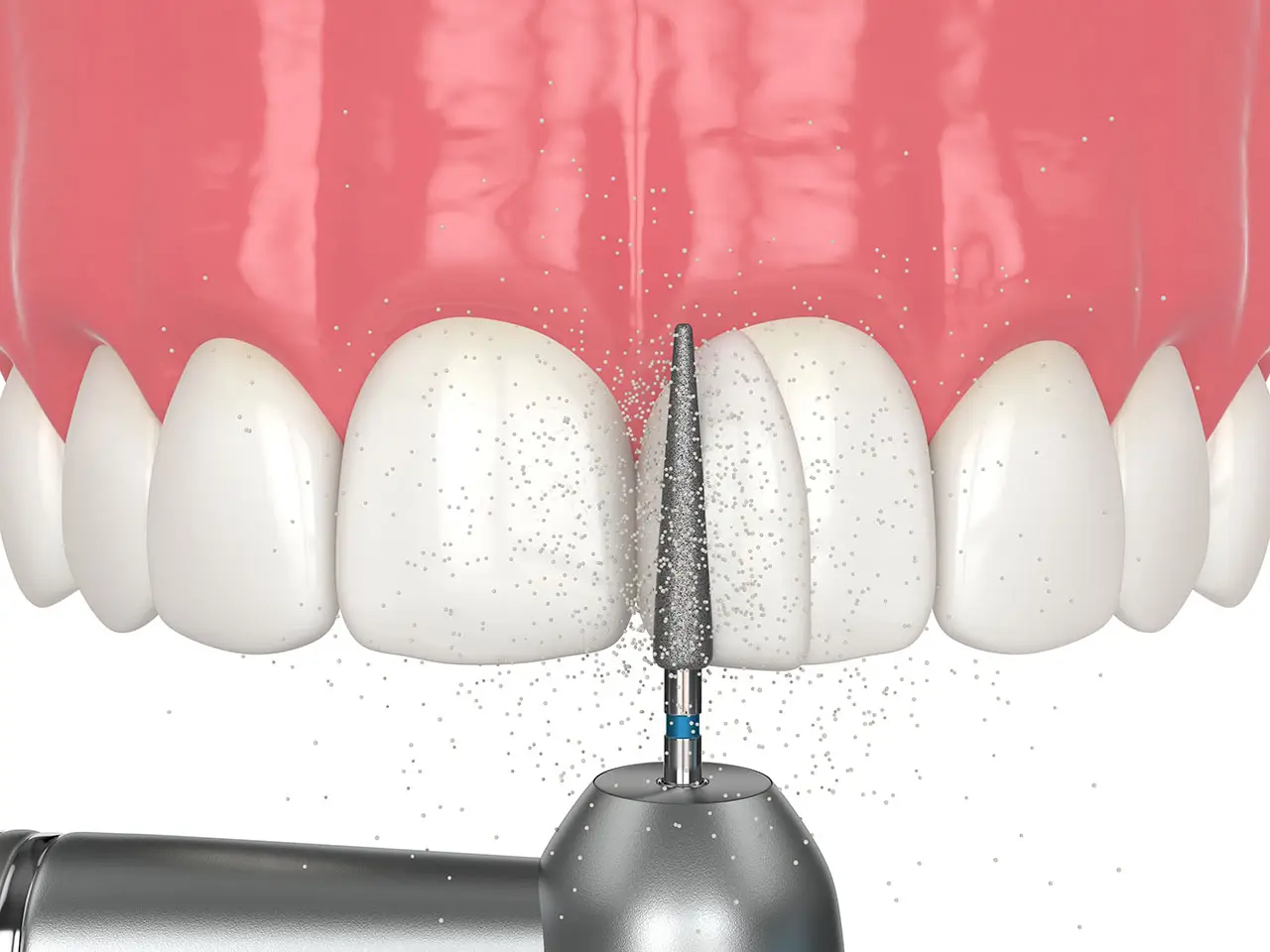
Small details can change the way a smile looks. A chipped edge, a tiny gap, or one tooth that looks slightly shorter than the others can draw attention, even when the rest of the smile is healthy. Dental bonding offers a conservative way to smooth, shape, and refresh teeth without a lengthy treatment process.
At Griffin Dental, cosmetic dentistry in Marshall, TX includes options that help patients improve the appearance of their smiles while still protecting natural tooth structure. Dental bonding is often one of the most approachable cosmetic treatments because it is quick, natural-looking, and useful for many minor imperfections.
What Is Dental Bonding?
Dental bonding is a cosmetic treatment that uses tooth-colored composite resin to repair or reshape teeth. The material is carefully matched to your natural tooth shade, applied to the tooth, shaped by the dentist, and hardened with a special light. Once polished, the bonded area blends with the surrounding enamel.
Bonding is often used for small to moderate cosmetic improvements. It can repair chips, close small spaces, lengthen worn edges, cover minor discoloration, or improve the shape of a tooth. In many cases, treatment can be completed in one visit.
Unlike veneers or crowns, dental bonding usually requires little to no removal of natural tooth structure. That makes it a conservative option for patients who want visible improvement without a more involved procedure.
Common Reasons Patients Choose Dental Bonding
Dental bonding can help address several everyday smile concerns. Patients often choose bonding for:
- Small chips on front teeth.
- Uneven or worn tooth edges.
- Small gaps between teeth.
- Minor cracks that do not affect deeper tooth structure.
- Teeth that look slightly misshapen.
- Areas of discoloration that do not respond well to whitening.
- Small cavities in visible areas when tooth-colored repair is needed.
Dental bonding can also be used after whitening to refine the smile. For example, a patient may brighten their teeth first, then bond a chipped edge so the final result looks more even.
How Dental Bonding Works
The dental bonding process is usually simple. First, Dr. Griffin evaluates the tooth to make sure bonding is the right choice. If the tooth has a deep crack, major decay, or heavy bite pressure, another treatment may be more durable.
Next, the tooth shade is selected. The goal is to match the composite resin to the tooth so the repair blends naturally. The tooth surface is prepared so the bonding material can attach securely. Then the resin is applied, shaped, and smoothed.
Once the shape looks right, the material is hardened with a curing light. After that, the bonded area is polished so it reflects light like natural enamel. The entire process is often completed without numbing, unless decay or sensitivity is involved.
Benefits Of Dental Bonding
- Dental bonding can repair small chips and worn edges quickly.
- It usually requires little to no removal of natural tooth structure.
- The tooth-colored material blends with surrounding enamel.
- Many bonding treatments can be completed in one visit.
- It is often more affordable than porcelain veneers.
- Bonding can improve tooth shape, symmetry, and small gaps.
- It can be combined with whitening or other cosmetic treatments.
The main advantage of dental bonding is that it can create a noticeable improvement with a conservative approach. For the right case, a small change can make the smile look more balanced and polished.
Dental Bonding Versus Porcelain Veneers
Dental bonding and porcelain veneers can both improve the appearance of teeth, but they are different treatments. Bonding is applied directly to the tooth and shaped in the office. Veneers are thin porcelain shells made in a dental lab and bonded to the front of teeth.
Bonding is often best for smaller repairs, budget-conscious improvements, and patients who want a fast result. Veneers may be better for larger cosmetic changes, deeper discoloration, or a longer-lasting surface that resists staining better.
There is no single right answer for everyone. A consultation helps determine which option fits your goals, tooth condition, bite, and budget.
How Long Does Dental Bonding Last?
Dental bonding can last for years with proper care, but it is not as strong as natural enamel or porcelain. Its lifespan depends on bite force, oral habits, location in the mouth, and how well it is maintained.
Bonding on front teeth may last longer when patients avoid biting fingernails, chewing ice, or using teeth to open packages. If you clench or grind, a nightguard may be recommended to protect the bonded edges.
Over time, bonding may stain or wear. The good news is that it can often be polished, repaired, or refreshed without replacing the entire tooth.
Caring For Bonded Teeth
Bonded teeth should be cared for like natural teeth. Brush twice daily with a soft toothbrush and fluoride toothpaste. Floss every day to protect gum health and reduce plaque around the bonded areas.
Because composite resin can stain more than porcelain, it helps to rinse with water after coffee, tea, red wine, or dark sauces. Routine cleanings can polish the bonding and keep the surrounding teeth healthy.
Avoid chewing on hard objects. Even strong bonding material can chip under the wrong force. Treat bonded teeth with care, and they can serve you well for a long time.
When Dental Bonding May Not Be The Best Option
Dental bonding is helpful, but it is not ideal for every situation. If a tooth has a large fracture, severe decay, or major structural weakness, a crown may be needed instead. If several teeth need dramatic color and shape changes, veneers may offer a more predictable result.
Also, if the bite places heavy pressure on the area being repaired, bonding may chip more easily. In that case, bite adjustments, orthodontic treatment, or a nightguard may be part of the plan.
Common Questions About Dental Bonding
Does Dental Bonding Hurt?
Most dental bonding is comfortable and does not require numbing. If bonding is used to repair decay, anesthetic may be recommended.
Will Dental Bonding Match My Teeth?
Yes. The composite resin is shade-matched to blend with your natural tooth color.
Can Dental Bonding Close A Gap?
Dental bonding can close small gaps in many cases. Larger gaps may be better treated with clear aligners or veneers.
Can Bonding Be Whitened?
No. Bonding material does not whiten like natural enamel. If whitening is planned, it is usually best to whiten first, then match the bonding to the brighter shade.
A Natural-Looking Repair For Everyday Smile Concerns
Dental bonding can be a simple way to repair chips, smooth uneven edges, and improve small spaces with natural-looking results. It is conservative, efficient, and a great option for many patients who want a refreshed smile without extensive treatment.
To find out whether dental bonding is right for your smile, contact Griffin Dental at 903-702-9993 or visit 402 W Bowie St, Marshall, TX 75670 to Schedule a Consultation.
New patients welcome
Your healthiest smile can start here.
Tell us what brings you in. We’ll listen, take a careful look, and help you understand what comes next.