
Patient education
Dental Bridges In Marshall, TX: A Reliable Way To Fill The Gap In Your Smile
When a tooth is missing, the empty space can affect more than your smile. It can change how you chew, how nearby teeth line up, and even how…
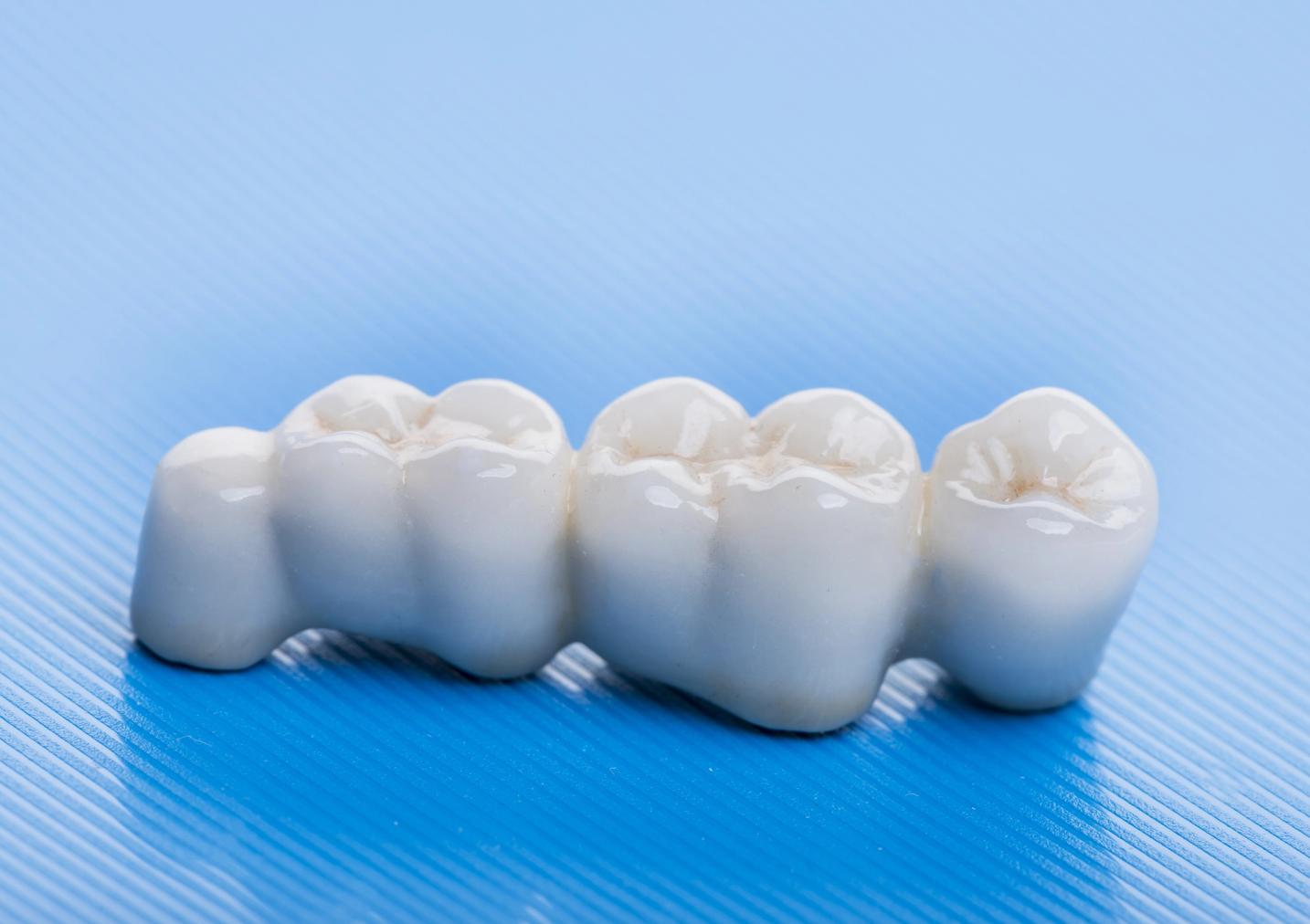
What Is A Dental Bridge?
402 W Bowie St Marshall, TX 75670
Published on Jun 1, 2026 | 9 minute read
Why Missing Teeth Should Not Be Ignored
When a tooth is missing, the empty space can affect more than your smile. It can change how you chew, how nearby teeth line up, and even how confident you feel during everyday conversations. The good news is that a well-planned dental bridge can restore balance in a way that feels natural, secure, and simple to maintain.
For patients exploring tooth replacement, may also support bridge treatment, especially when several teeth are missing in a row. Whether your best option is a traditional dental bridge or an implant-supported bridge, the goal is the same, to restore comfortable function and help your smile feel complete again.
Types Of Dental Bridges
A dental bridge is a custom restoration used to replace one or more missing teeth. It “bridges” the space by placing an artificial tooth, called a pontic, in the gap. The bridge is held in place by support on either side. In a traditional dental bridge, nearby teeth support the restoration. In an implant-supported bridge, dental implants provide the foundation.
Dental bridges are designed to match the shape, size, and color of nearby teeth. A good bridge should not look obvious. It should blend with your smile, feel stable when you chew, and help prevent the shifting that can happen after tooth loss.
Traditional Dental Bridge
When a tooth is missing, surrounding teeth often begin to lean into the open space. Opposing teeth may also drift because they no longer have contact with a matching tooth. Over time, this can affect your bite and make cleaning harder. A dental bridge helps fill that space before those changes create bigger problems.
It is easy to delay replacing a missing back tooth if it does not show when you smile. However, every tooth plays a role. Back teeth support chewing power. Front teeth help with speech and bite guidance. When one tooth is gone, the rest of the mouth has to adjust.
Implant-Supported Bridge
Missing teeth can lead to uneven pressure during chewing. That pressure may cause other teeth to wear faster or become sore. Food can pack into the gap, which increases the risk of gum irritation and decay on neighboring teeth. In addition, changes in bite alignment can contribute to jaw tension or headaches for some patients.
A dental bridge helps restore the missing piece of the bite. For many people, this makes eating more comfortable and helps the mouth feel balanced again.
Cantilever Bridge
The right dental bridge depends on how many teeth are missing, the condition of neighboring teeth, and your long-term goals.
A traditional dental bridge uses crowns on the teeth next to the gap. These crowns support the replacement tooth in the middle. This option can be a strong choice when the supporting teeth already need crowns or have large restorations.
What To Expect During The Dental Bridge Process
An implant-supported bridge uses dental implants instead of natural teeth for support. This can be especially helpful when several teeth are missing in a row. Because the bridge is anchored to implants, healthy neighboring teeth usually do not need to be reshaped.
A cantilever bridge is supported on only one side. This is less common and is only used in carefully selected situations because bite forces must be managed well.
Benefits Of Dental Bridges
During your visit, Dr. Griffin can evaluate your bite, tooth strength, gum health, and bone support to determine which dental bridge design is most appropriate.
The process begins with a detailed exam. This may include digital X-rays, bite evaluation, and a discussion about your goals. If a traditional dental bridge is recommended, the supporting teeth are shaped for crowns. Then impressions or digital scans are taken so the bridge can be made to fit your mouth precisely.
How A Dental Bridge Compares To A Partial Denture
A temporary bridge may be placed while the final restoration is crafted. This protects the prepared teeth and helps you chew and smile during the waiting period. When the final dental bridge is ready, the fit, bite, and appearance are checked carefully before it is bonded or secured in place.
For an implant-supported bridge, the process includes implant planning and placement first. After the implants heal and bond with the jawbone, the final bridge is attached. This timeline is longer than a traditional bridge, but it can offer excellent stability and help protect surrounding teeth.
How To Care For A Dental Bridge
One of the biggest advantages of a dental bridge is that it restores daily comfort. When a gap is filled, you may find it easier to chew on both sides again, speak naturally, and stop worrying about food getting trapped in the same spot.
A partial denture is removable, while a dental bridge is fixed in place. For some patients, a partial denture is a practical and budget-friendly option. However, many people prefer a dental bridge because it does not need to be removed for cleaning at night and usually feels more secure during meals.
When A Dental Bridge May Not Be The Best Choice
A dental bridge may also feel more natural because it stays in place. However, it requires healthy support, either from nearby teeth or dental implants. If several teeth are missing in different areas, a partial denture may still be the better fit. The best choice depends on your anatomy, budget, and expectations for comfort.
Caring for a dental bridge is simple, but it does require consistency. You should brush twice daily and floss every day. Because the replacement tooth is connected to the supporting crowns, you will need special tools to clean underneath the bridge. Floss threaders, super floss, or a water flosser can help remove food and plaque from hard-to-reach areas.
Questions Patients Often Ask About Dental Bridges
Routine dental visits are also important. Your dentist can check the margins around the bridge, evaluate the bite, and make sure the supporting teeth or implants remain healthy. A dental bridge can last many years with good care, but plaque control and bite protection play a major role in long-term success.
A dental bridge may not be ideal if the supporting teeth are weak, loose, or affected by active gum disease. In those cases, stabilizing gum health or considering dental implants may be a better path. If the missing tooth area has significant bone loss, implant planning may require additional steps.
Will A Dental Bridge Look Natural?
Some patients also grind or clench their teeth heavily. This does not automatically rule out a dental bridge, but it may mean a nightguard is recommended to protect the restoration from excess pressure.
Yes, a well-made dental bridge is designed to match nearby teeth in color, shape, and size. The goal is for the bridge to blend naturally with your smile.
Does Getting A Dental Bridge Hurt?
Local anesthetic is used during preparation so you remain comfortable. Some mild tenderness can happen afterward, but it usually improves quickly.
With good care, dental bridges can last many years. Daily cleaning, regular checkups, and bite protection help extend their lifespan.
How Long Does A Dental Bridge Last?
Yes, a dental bridge can replace more than one missing tooth. If multiple teeth are missing, implant support may be recommended for added stability.
A missing tooth does not have to change the way you eat, speak, or smile long-term. A custom dental bridge can restore the space, protect your bite, and give your smile a natural, complete appearance.
Can A Bridge Replace More Than One Tooth?
If you are ready to explore dental bridges or implant-supported tooth replacement, contact at or visit to .
Restoring Comfort And Confidence In Marshall, TX
Experience the Griffin Dental Difference
What to know
- Restore chewing comfort by replacing missing teeth with a stable restoration.
- Help prevent nearby teeth from shifting into the open space.
- Improve speech clarity when missing teeth affect certain sounds.
- Support a more balanced bite and reduce strain on remaining teeth.
- Enhance the appearance of the smile with natural-looking replacement teeth.
- Offer both traditional and implant-supported options based on your needs.
New patients welcome
Your healthiest smile can start here.
Tell us what brings you in. We’ll listen, take a careful look, and help you understand what comes next.