
Patient education
Dental Implant Gum Health in Marshall, TX: How to Recognize Problems and Protect Your Investment
Dental implants are built to provide strong, dependable tooth replacement, but their long-term success depends on more than the implant itself. The gums and bone surrounding each implant play a…
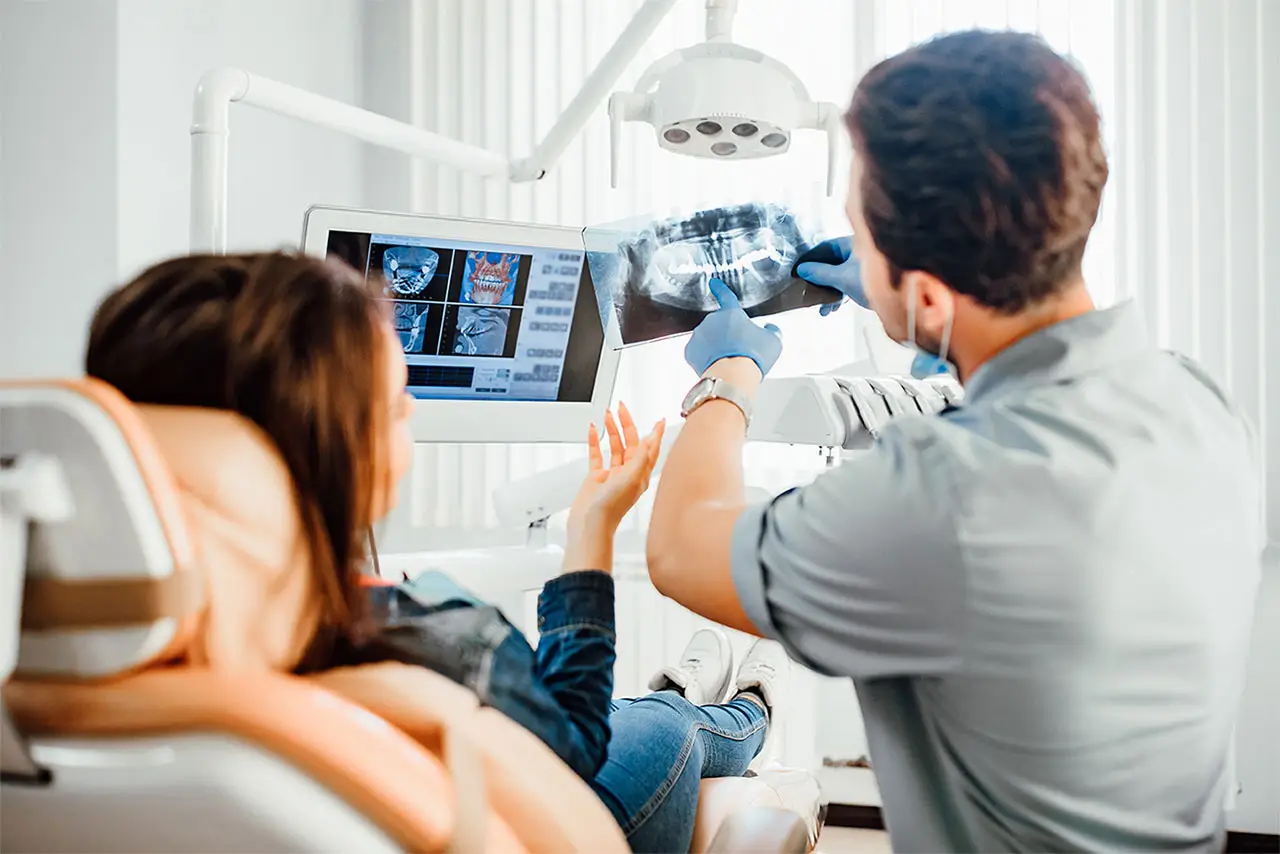
Dental implants are built to provide strong, dependable tooth replacement, but their long-term success depends on more than the implant itself. The gums and bone surrounding each implant play a major role in keeping the restoration healthy. Just as natural teeth need regular brushing and professional care, implants require attention to prevent plaque buildup, inflammation, and other complications.
For patients who have received or are considering dental implants at Griffin Dental in Marshall, TX, understanding implant gum health is an important part of treatment planning. Good daily habits and regular dental examinations can help protect the tissues that support an implant and make it easier to identify concerns early.
Why Healthy Gums Matter Around Dental Implants
A dental implant is a small post placed into the jawbone to support a replacement tooth, bridge, or denture. After healing, the bone forms a close connection with the implant surface.
The gums surrounding the implant help protect the underlying tissues from food particles and bacteria. Although an implant cannot develop a cavity, the surrounding gums can still become inflamed.
When plaque accumulates around implant restorations, bacteria may irritate the soft tissues. If inflammation continues, it can sometimes affect the bone supporting the implant.
This is why dental implant maintenance is just as important as caring for natural teeth. The replacement tooth may be artificial, but the tissues supporting it are living parts of your mouth.
Understanding Inflammation Around Dental Implants
There are two important conditions patients should understand. The first is called peri-implant mucositis. This describes inflammation in the gum tissue around an implant without progressive loss of supporting bone.
Patients may notice redness, tenderness, swelling, or bleeding when cleaning around the implant. When recognized early, this condition can often improve with professional care and better plaque control.
The second condition is peri-implantitis. This involves inflammation around an implant along with damage to the supporting bone.
Peri-implantitis can become a serious problem if it is not treated. Bone loss may weaken implant support and, in advanced cases, threaten the survival of the restoration.
Early evaluation matters because symptoms may be subtle. An implant can develop inflammation even when the patient does not experience significant pain.
Warning Signs of Dental Implant Gum Problems
Healthy implant tissues should generally feel comfortable and remain stable during everyday activities.
Contact your dentist if you notice any of the following changes:
- Bleeding when brushing around an implant.
- Redness or swelling near the implant restoration.
- Tenderness that continues rather than improving.
- Persistent bad breath or an unpleasant taste.
- Food collecting around the same implant repeatedly.
- Gums appearing to pull away from the implant.
- Drainage or pus near the restoration.
- A change in how the implant crown or bridge feels when biting.
- New looseness or movement in the restoration.
These symptoms do not automatically mean an implant is failing. A loose crown, worn attachment, or irritated gum area may be repairable. However, determining the cause early can help prevent more complicated problems.
What Causes Gum Inflammation Around Implants?
Plaque buildup is one of the most common causes of inflammation around dental implants. When bacterial deposits remain along the gumline, the surrounding tissue can become irritated.
Certain restoration designs may also create areas that are difficult to clean. Food can collect beneath implant bridges or around denture attachments if the correct cleaning tools are not used.
Other risk factors may include a history of gum disease, tobacco use, poorly controlled diabetes, irregular professional maintenance, and difficulty cleaning around complex restorations.
These factors do not mean an implant is destined to develop problems. Instead, they highlight the importance of a personalized maintenance plan.
Benefits of Dental Implant Gum Health Maintenance
- Protects supporting tissues: Consistent cleaning helps reduce inflammation around implants.
- Supports long-term stability: Healthy gums and bone provide an important foundation for implant restorations.
- Improves daily comfort: Managing gum irritation can reduce tenderness and bleeding.
- Helps control bad breath: Removing bacterial deposits may reduce unpleasant odors.
- Detects problems early: Professional visits can identify tissue changes before symptoms become severe.
- Protects dental work: Regular examinations can identify loose screws, worn components, or bite changes.
- Supports successful home care: Personalized instruction makes it easier to clean difficult areas.
The goal of implant gum maintenance is to help patients keep their restorations comfortable, functional, and healthy for as long as possible.
How to Brush Around Dental Implants
Brushing twice daily is a basic but important habit. A soft toothbrush or electric toothbrush can help remove plaque around implant crowns and the surrounding gumline.
Use gentle pressure rather than aggressive scrubbing. Brushing too hard may irritate the gums and does not necessarily remove plaque more effectively.
Pay special attention to the area where the implant restoration meets the gum tissue. This is a common place for plaque to accumulate.
If the implant supports a bridge, you may need to clean underneath the replacement teeth as well as around the implant posts.
Your dental team can demonstrate the most effective brushing angles for your specific restoration.
Flossing and Cleaning Between Implant Teeth
Traditional dental floss may work well around some single implant crowns. However, other restorations require specialized tools.
Interdental brushes can help clean spaces that ordinary toothbrush bristles cannot reach. Choose an appropriate size and use them gently to avoid tissue injury.
Floss threaders and specialized implant floss may be useful for cleaning beneath bridges. Water flossers can also help remove food particles and disrupt plaque in difficult areas.
Not every tool works for every implant design. The right choice depends on the shape of the restoration and the space available around it.
Patients should ask Dr. Griffin or their dental hygienist to demonstrate the tools recommended for their mouth.
Why Professional Implant Maintenance Is Important
Even patients with excellent home care benefit from regular professional examinations.
During maintenance visits, the dental team can evaluate gum inflammation, plaque accumulation, bite pressure, and the condition of the implant restoration.
X-rays may be recommended at appropriate intervals to assess the supporting bone. The frequency depends on the patient’s clinical history and findings.
Professional cleaning instruments and techniques are selected based on the implant and restoration design. The goal is to remove deposits while protecting the surrounding tissues and restorative surfaces.
Patients with a history of periodontal disease or implant inflammation may need more frequent maintenance appointments than those with stable oral health.
Can Dental Implants Become Loose?
A healthy implant should remain stable in the jawbone. However, patients sometimes notice movement in a crown, bridge, or denture attachment.
Movement does not always mean the implant itself is loose. A connecting screw may have loosened, or a removable denture attachment may be worn.
Because different problems require different solutions, patients should not attempt to tighten or repair implant components at home.
If an implant restoration feels loose, avoid chewing hard foods on it and contact the dental office for an evaluation.
Prompt attention may help protect components that could otherwise become damaged.
The Role of Smoking and Medical Conditions
Smoking can interfere with gum health and healing. It may also increase the risk of complications around dental implants.
Patients with diabetes should work with their medical team to manage blood sugar levels because poorly controlled diabetes can affect healing and inflammation.
Other medical conditions and medications may influence how the mouth responds to treatment. Keeping your dental team informed about health changes helps them recommend appropriate care.
Dental implant maintenance should be individualized, especially when patients have conditions that increase their risk of gum problems.
Protecting Implants From Grinding and Heavy Bite Forces
Dental implants are designed to withstand normal chewing forces, but excessive clenching and grinding can place stress on crowns, bridges, and implant components.
Some patients grind their teeth during sleep without realizing it. Signs may include worn tooth edges, morning jaw soreness, headaches, or repeated damage to dental restorations.
A custom nightguard may be recommended when appropriate. It can help protect the implant restoration from excessive mechanical stress.
Regular bite evaluations are also useful because changes in how teeth contact one another may affect implant components over time.
Frequently Asked Questions About Dental Implant Gum Health
Can You Get Gum Disease Around Dental Implants?
Yes. The tissues surrounding implants can become inflamed. More advanced inflammation may affect the supporting bone, making professional evaluation important.
Should Gums Bleed Around an Implant?
Persistent bleeding is not considered a sign of healthy implant tissue. Schedule an examination if bleeding continues or occurs repeatedly.
How Often Should Dental Implants Be Professionally Checked?
The schedule depends on your oral health and risk factors. Many patients receive regular examinations and cleanings, while others need more frequent maintenance.
Can an Inflamed Dental Implant Be Saved?
Some implant complications can be managed successfully, especially when identified early. Treatment depends on the cause and severity of the problem.
Keeping Your Dental Implant Healthy for Years to Come
Dental implants can provide dependable tooth replacement, but healthy gums and supporting bone are essential to their long-term success. Daily cleaning, attention to warning signs, and regular professional maintenance help protect both the implant and the surrounding tissues.
For personalized dental implant maintenance and gum health guidance, contact Griffin Dental at 903-702-9993 or visit 402 W Bowie St, Marshall, TX 75670 to Book an Appointment.
New patients welcome
Your healthiest smile can start here.
Tell us what brings you in. We’ll listen, take a careful look, and help you understand what comes next.