
Patient education
Emergency Dentistry: What Counts as an Emergency and What to Do Next
Tooth pain has a way of striking at the worst moment. A cracked tooth before a big meeting, a throbbing molar overnight, or a child’s sports injury on…
Experience the Griffin Dental Difference
402 W Bowie St Marshall, TX 75670
Published on Oct 20, 2025 | 5 minute read
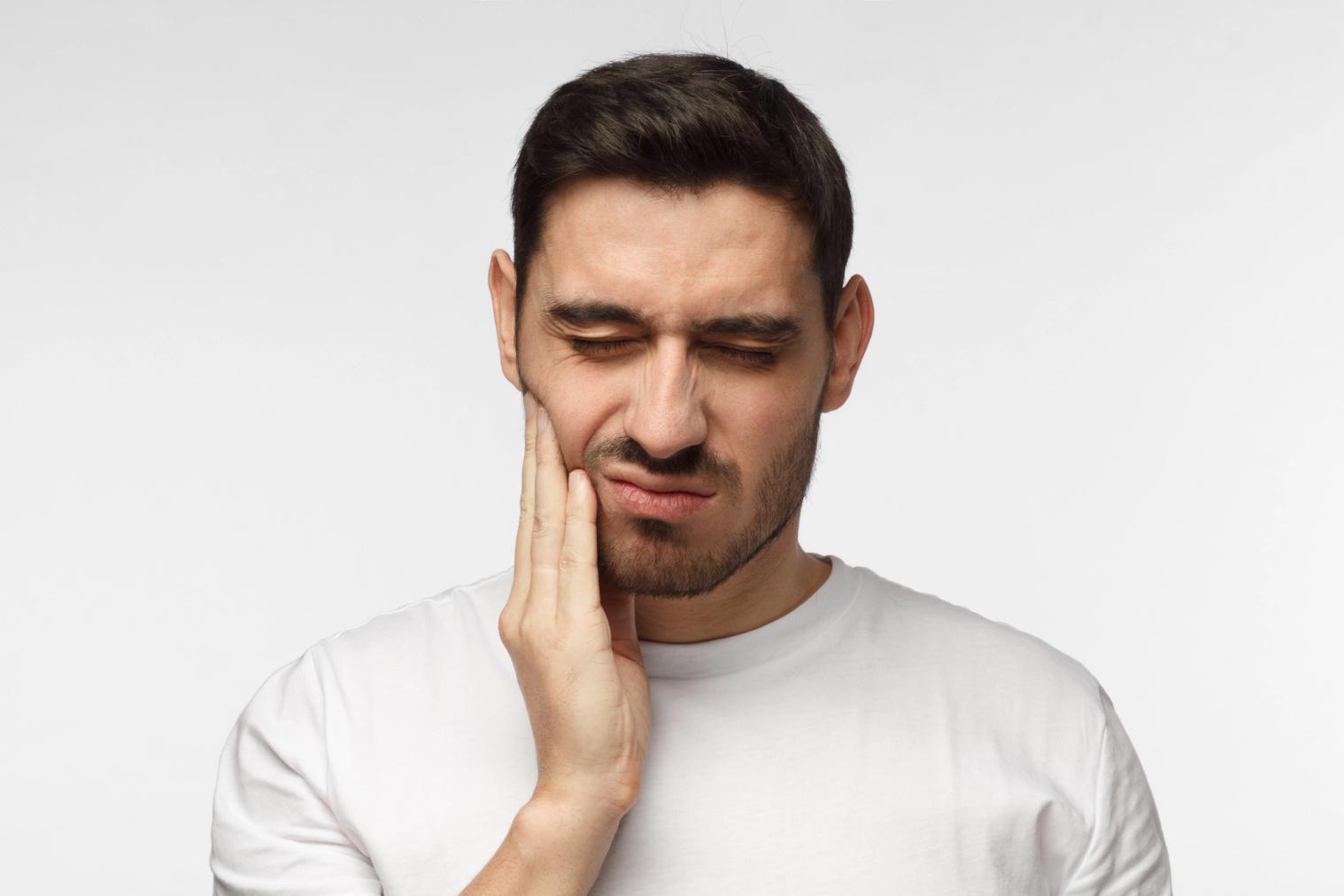
Tooth pain has a way of striking at the worst moment. A cracked tooth before a big meeting, a throbbing molar overnight, or a child’s sports injury on the weekend—what now? Knowing how to respond can save your tooth, protect your comfort, and reduce stress. Here’s a clear, patient-friendly guide to emergency dentistry in Marshall, TX so you’re ready if the unexpected happens.
• Severe or persistent pain that doesn’t improve with basic care• Compromise to the pulp (nerve) from deep decay or trauma• Problems that persist or worsen—swelling, fever, or spreading infection
Handle the tooth by the crown only—never the root. Rinse gently if dirty. Try to reinsert it in the socket and bite on a clean cloth to hold it in place. If reinsertion isn’t possible, place the tooth in milk or saliva and head to the dentist immediately. Fast action (within an hour) offers the best chance to save it.
Rinse your mouth with lukewarm water. If sharp edges irritate the cheek or tongue, cover them with dental wax or sugar-free gum. Call for an urgent visit—small cracks can spread if ignored.
Rinse to clear debris, then floss around the area to remove trapped food. Over-the-counter pain relievers can help, but avoid placing aspirin directly on the gum. If pain wakes you at night or throbs with temperature changes, you may need root canal therapy to relieve pressure inside the tooth.
Keep the area clean and avoid sticky foods. Temporary dental cement (from a pharmacy) can help seat a loose crown until you’re seen. Bring the restoration with you; it may be re-cemented.
Facial swelling, fever, or a pimple-like bump on the gums are red flags. Do not try to drain it yourself. Call immediately; infections can spread and may require antibiotics plus treatment to remove the source.
Apply gentle pressure with clean gauze to control bleeding. For deeper cuts or profuse bleeding, seek emergency medical care first, then see the dentist to evaluate teeth and soft tissues.
• Use a cold compress in 10-minute intervals for swelling• Rinse gently with warm salt water to soothe tissues• Stick to soft foods and chew on the opposite side• Sleep with your head elevated if swelling is present• Never ignore fever, spreading redness, or difficulty swallowing—seek help immediately
Many emergencies are preventable. Wear a custom mouthguard for sports. Don’t chew ice or hard candies. Address small chips and sensitivity early. Keep up with regular cleanings and exams to catch problems before they flare up.
Kids are active, and accidents happen. Keep a small “tooth kit” handy: gauze, a clean container, saline, and the dental office phone number. If a baby tooth is knocked out, don’t try to reinsert it—call for guidance to protect the developing permanent tooth.
Having a familiar dental team makes emergencies less stressful. They already know your history, can access X-rays quickly, and can prioritize you fast—often the same day.
If you’re dealing with urgent dental pain or trauma now, don’t wait. Call in Marshall at to Book an Appointment and get the relief and answers you need today.
What to know
- When you call, the team will ask targeted questions to prioritize your visit—what happened, how long it’s hurt, whether you have swelling or fever, and any medications you’re taking.
- At the office, the first goal is comfort. Local anesthesia or soothing dressings can calm acute pain. Digital X-rays and testing help pinpoint the cause quickly.
New patients welcome
Your healthiest smile can start here.
Tell us what brings you in. We’ll listen, take a careful look, and help you understand what comes next.