
Gum Health And Deep Cleanings In Marshall, TX: Protecting Your Smile From The Ground Up
Published on Feb 27, 2026 | 9 minute read
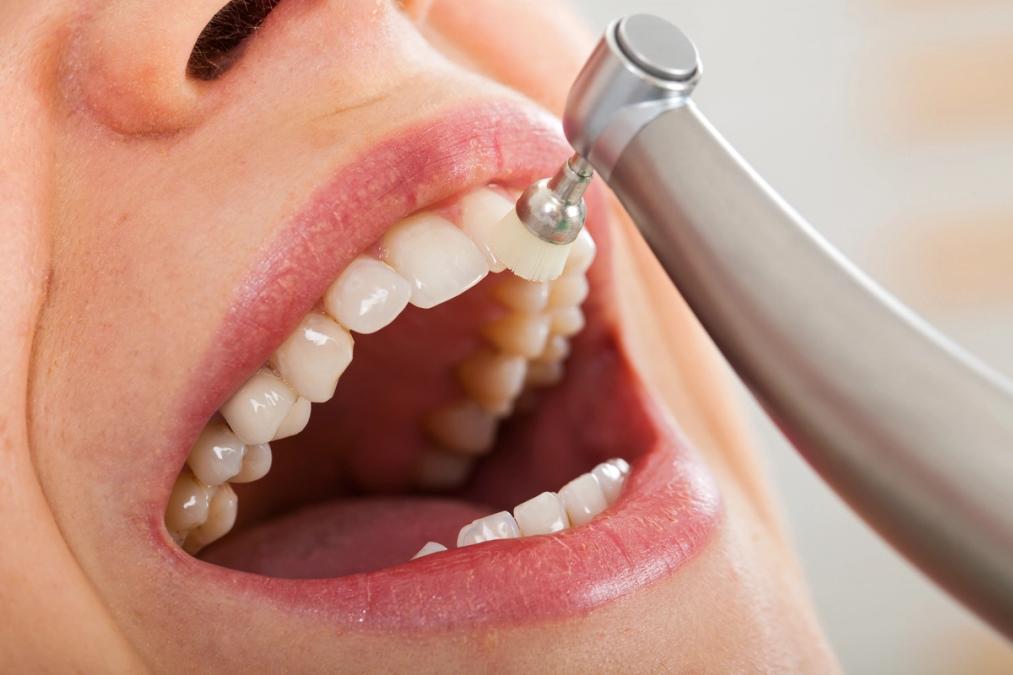
Healthy teeth get most of the attention, but your gums do the heavy lifting. They hold teeth in place, protect roots, and create a tight seal that keeps bacteria from traveling deeper. When gums are irritated, the earliest signs can seem minor—bleeding when you brush, swelling, or stubborn bad breath. Yet those small signals can be the start of bigger issues if left alone. The good news is that early gum problems are often reversible, and even more advanced gum concerns can be managed with the right plan. That’s why gum care is a core part of preventive dentistry.
Gingivitis Vs. Periodontitis: What’s The Difference?
Gum disease typically starts as gingivitis, which is inflammation of the gumline caused by plaque buildup. Gums may look red, feel tender, or bleed during brushing and flossing. Gingivitis is common and, importantly, it’s often reversible. With consistent home care and professional cleanings, gums can return to a healthy, firm state.
If inflammation continues, gingivitis can progress to periodontitis. This is a deeper infection where the attachment between gums and teeth begins to break down. Over time, pockets can form around teeth, and bone support can decrease. Periodontitis can develop quietly, so regular measurements and checkups are important. Addressing gum health early is one of the smartest parts of preventive dentistry because it protects both teeth and the bone beneath them.
Signs Your Gums Need Attention
Not everyone feels pain from gum problems at first. Watch for:
- Bleeding when brushing or flossing
- Puffy, tender, or shiny-looking gums
- Persistent bad breath or a bad taste
- Gum recession or teeth that appear longer
- Sensitivity near the gumline
- Food packing between teeth more often
- Changes in bite or spacing over time
These signs don’t mean you’ve “failed” at brushing. Instead, they mean your mouth needs a more targeted plan. Gum health is a team effort, and preventive dentistry is designed to support you without judgment.
What Is A Deep Cleaning?
A deep cleaning is often called scaling and root planing. It’s a focused cleaning that reaches below the gumline, where bacteria and tartar can settle into pockets. While a regular cleaning is preventive and removes buildup on the visible tooth surface, a deep cleaning is therapeutic. It targets deeper areas to help gums heal and reattach more snugly around teeth.
During a deep cleaning, the area is numbed for comfort. Then deposits are removed from below the gumline, and root surfaces are smoothed so bacteria have fewer places to cling. Afterward, gums often feel healthier, bleeding decreases, and breath improves. A deep cleaning is one of the most effective gum health tools in preventive dentistry when early disease is present.
Benefits Of Gum Therapy And Deep Cleanings
A deep cleaning isn’t just about “clean teeth.” It’s about rebuilding a healthier environment in your mouth. Benefits include:
- Less bleeding and swelling: Calmer gums mean a tighter, healthier seal.
- Fresher breath: Removing bacteria below the gumline reduces odor.
- Better tooth support: Healthy gums and bone help teeth stay stable.
- Lower risk of tooth loss: Managing gum disease protects your smile long-term.
- Easier home care: When gums are less inflamed, brushing and flossing feel more comfortable.
- Stronger preventive dentistry results: Healthier gums make routine cleanings more effective.
What To Expect During And After A Deep Cleaning
Most deep cleanings are done in sections so you can stay comfortable and numb. You may have mild tenderness for a day or two afterward, which is often managed with over-the-counter pain relief and gentle saltwater rinses. We’ll also review home care tools that support healing, like soft brushes, water flossers, and targeted flossing techniques.
You might notice your teeth feel “cleaner” than usual afterward, and your gums may look less puffy within a week or two. Healing continues over time, and follow-up visits help us measure progress.
Periodontal Maintenance: The Key To Keeping Results
After deep cleaning, many patients benefit from periodontal maintenance visits every three to four months. This schedule interrupts bacteria before it becomes aggressive again. Think of it like keeping a garden tidy so weeds don’t take over. Periodontal maintenance is part of preventive dentistry for patients who have had gum therapy, and it’s one of the best ways to protect improvements long-term.
Daily Gum Care That Works
Great gum care is simple, but it does require consistency:
- Brush twice daily, focusing gently along the gumline.
- Floss nightly using a “C-shape” around each tooth.
- If floss is difficult, use interdental brushes or a water flosser.
- Rinse with water after meals to reduce acid and food debris.
- Choose a toothpaste with fluoride and gentle ingredients.
- Stay hydrated to support saliva, your mouth’s natural defense.
Also, consider your habits. Smoking and vaping can reduce blood flow to gums and slow healing. If gum health is a priority, reducing tobacco use is one of the most powerful steps you can take.
Gum Health And Whole-Body Wellness
Your mouth is part of your body, not separate from it. Gum inflammation can add to overall inflammatory burden, and gum disease is often linked with conditions like diabetes. While gum care isn’t a “cure” for medical issues, it’s an important support. Healthy gums make it easier to eat well, sleep comfortably, and maintain steady routines—key pieces of overall wellness that preventive dentistry aims to protect.
How Gum Health Impacts Implants, Dentures, And Everyday Comfort
Gum health affects more than natural teeth. If you have dental implants, healthy gums help keep implant areas clean and stable. If you wear dentures, calm, healthy tissues reduce sore spots and support a better fit. Even mild inflammation can make the mouth feel tender and reactive, which can affect how you chew and how confident you feel. That’s why preventive dentistry and gum maintenance work hand-in-hand with tooth replacement and cosmetic goals.
When To Call Instead Of Waiting
Call sooner rather than later if you notice facial swelling, a pimple-like bump on the gums, fever, or pain that keeps you from sleeping. These can be signs of infection that needs prompt attention. Also reach out if bleeding is frequent even with gentle flossing, or if you see gums pulling away from a tooth. Early care is almost always easier, more comfortable, and more affordable than waiting for symptoms to worsen.
Common Questions About Deep Cleanings
Does a deep cleaning mean I’m in trouble? Not at all. It means we’ve caught a problem early enough to treat it without major procedures. In many cases, deep cleaning is the step that prevents worse outcomes.
Will my gums grow back? Recession doesn’t always reverse, but healing can reduce inflammation and stabilize the gumline. If recession is advanced, we can discuss additional options.
How long does healing take? You may feel better within days, and deeper healing continues over weeks. Maintenance visits and home care play a big role in results.
Can I prevent this from coming back? Yes, with the right routine. Preventive dentistry visits, good home tools, and consistent maintenance make a major difference.
A Strong Foundation For Your Smile
Gum health is the support system behind every confident bite. Whether you need a routine cleaning, targeted gum therapy, or a long-term maintenance plan, the goal is the same: a comfortable mouth that stays stable. Contact Griffin Dental at 903-702-9993 or visit 402 W Bowie St, Marshall, TX 75670 to Schedule a Consultation and build a preventive dentistry plan that keeps your gums—and your smile—healthy for the long run.
