
Patient education
Modern Comfort and Confidence: Your Guide to Dentures That Fit Your Life
Picture a favorite pair of shoes: when they fit, you barely think about them; when they don’t, every step is a reminder. Dentures work the same way. Today’s…
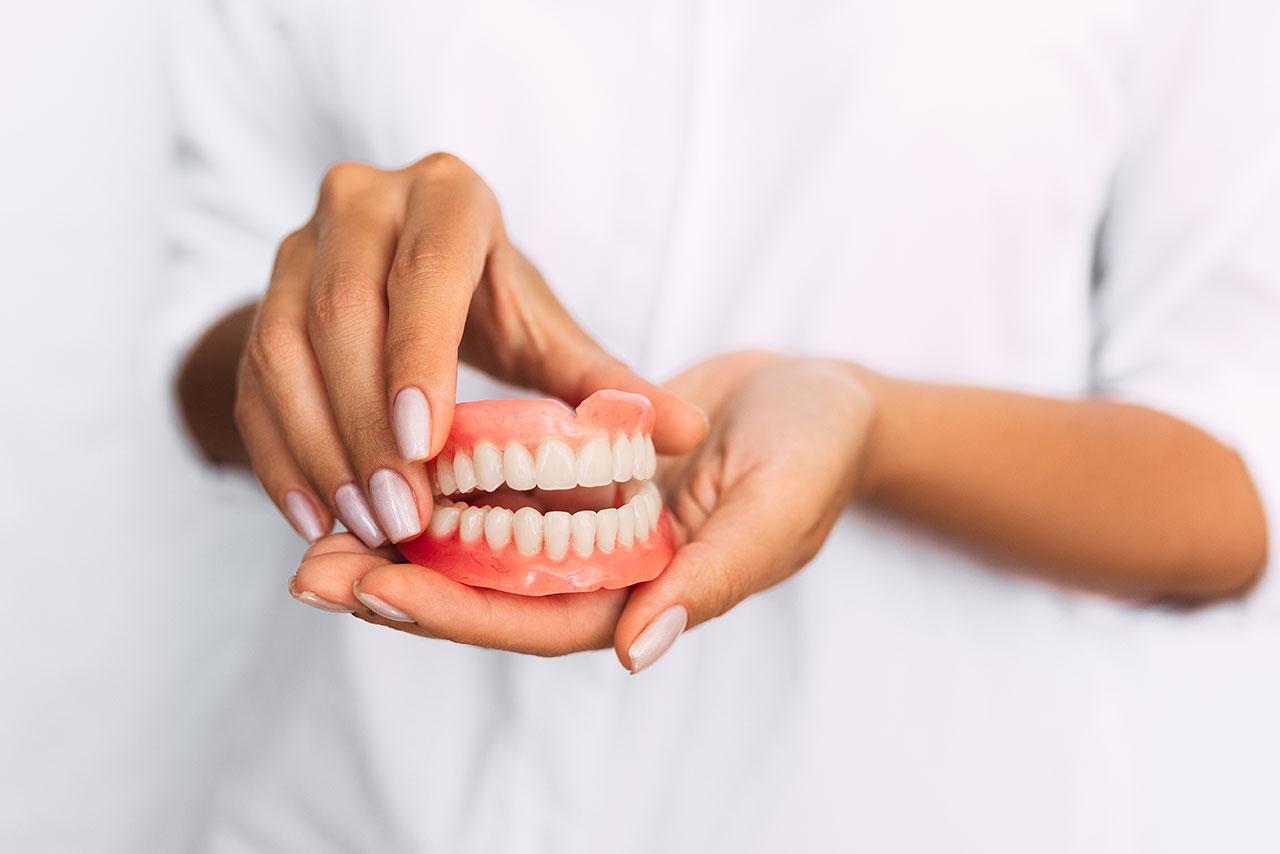
Types of Dentures and Who They Help
402 W Bowie St Marshall, TX 75670
Published on Sep 25, 2025 | 6 minute read
The Process: From Evaluation to Smile
Picture a favorite pair of shoes: when they fit, you barely think about them; when they don’t, every step is a reminder. Dentures work the same way. Today’s dentures can look natural, feel secure, and help you eat and speak with confidence—when they’re designed and maintained with care. If you’ve struggled with missing teeth or older, loose appliances, modern options may surprise you.
replace all teeth in an arch (upper, lower, or both). They rest on the gums and are carefully crafted to match your facial shape and bite. fill gaps when some natural teeth remain. Clasps or precision attachments help them anchor to neighboring teeth. connect to dental implants for extra stability, especially on the lower arch where traditional dentures can feel less secure.
What a Good Fit Feels Like
Each option has a place. If you are missing several teeth with healthy neighbors, a partial may be best. If you have widespread decay or advanced gum disease with many missing teeth, a complete denture may restore function and appearance. For those who want maximum stability, implants can elevate the fit and comfort of dentures.
A thoughtful denture process starts with an exam and discussion of goals—appearance, chewing comfort, speech, and budget. Impressions and measurements record the shape of your mouth, gums, and bite. Wax try-ins allow you to preview tooth shade and shape before the final denture is made. After delivery, a series of adjustments refine the fit as your tissues adapt. For implant-supported dentures, a planning phase includes 3D imaging, implant placement, healing, and then attaching the denture to the implants.
Eating, Speaking, and Smiling With Ease
A well-made denture should feel snug yet comfortable. Minor sore spots can appear in the first few days, which is normal and fixed with small adjustments. The upper denture often benefits from gentle suction to the palate. The lower denture relies on muscle balance and precise shaping of the edges. If you’ve struggled with looseness in the past, consider implant support; even two implants in the lower jaw can significantly improve stability.
Start with soft foods cut into small bites. Chew slowly on both sides to balance the denture. As you gain confidence, add more textures back into your menu. Reading out loud for a few minutes each day helps your tongue adjust to the new contours and improves speech clarity. Over time, your muscles learn to guide and steady the denture, and your routine feels natural again.
Care and Maintenance Tips
Remove and rinse dentures after meals. Brush your dentures daily with a denture brush and non-abrasive cleanser—never use regular toothpaste, which can scratch the surface. Soak dentures overnight in a recommended solution to keep them clean and fresh. Brush your gums, tongue, and any remaining teeth to support oral health and fresh breath. Keep dentures moist when out of your mouth to prevent warping.
If your dentures are more than five to seven years old, gum and bone changes may have altered the fit. Relining can help, but sometimes a new appliance delivers better comfort and esthetics. Cracks, chips, or stained teeth are also signs it may be time for a replacement. If you’re constantly using adhesive or avoiding favorite foods, explore implant-supported options for a more secure feel.
When to Consider an Upgrade
Dental implants act like artificial roots that connect your denture to the jaw. In many cases, two to four implants in the lower jaw transform a loose denture into a secure, comfortable restoration. Upper dentures can also benefit from implants, which may allow a more open palate for improved taste and speech. The process includes planning, placement, and healing time, but the payoff in day-to-day comfort can be significant.
Modern materials and careful customization produce a natural look that matches your facial features. Yes. Removing dentures lets tissues rest and reduces the chance of irritation or fungal infections. Your dental team will guide you, but most patients remove and clean them nightly to protect both the denture and the implants. A nightguard or bar-retained design may be recommended to protect your prosthesis.
Benefits Backed by Professional Guidance
Mild soreness, extra saliva, and a learning curve with certain words are common at first. Small adjustments resolve pressure points. Stick with the plan, wear the dentures as directed, and attend follow-up visits. With consistent care, your new smile will look good, feel comfortable, and help you enjoy life’s everyday moments again.
If you’re ready to explore dentures that match your needs—complete, partial, or implant-supported—reach out to Griffin Dental. Call 903-702-9993 or visit us at 402 W Bowie St, Marshall, TX 75670 to schedule a consultation and take the next step toward a confident, secure smile.
Implant-Supported Dentures: A Stability Boost
Common Questions and Real-World Answers
Your First Weeks: What’s Normal
Experience the Griffin Dental Difference
What to know
- Professional guidelines highlight that well-fitting dentures can restore function and support a balanced diet, which benefits overall health.
- Replacing missing teeth supports lips and cheeks, helping maintain natural facial contours and articulation.
- Clinical literature notes consistent gains in patient satisfaction when fit and function are optimized, especially with implant support.
New patients welcome
Your healthiest smile can start here.
Tell us what brings you in. We’ll listen, take a careful look, and help you understand what comes next.