
Patient education
Retainers After Clear Aligners in Marshall, TX: How to Keep Your Smile Straight for Years
Finishing clear aligner treatment is an exciting milestone. After months of wearing trays and watching teeth gradually move into better positions, patients can finally enjoy the results of their commitment.…
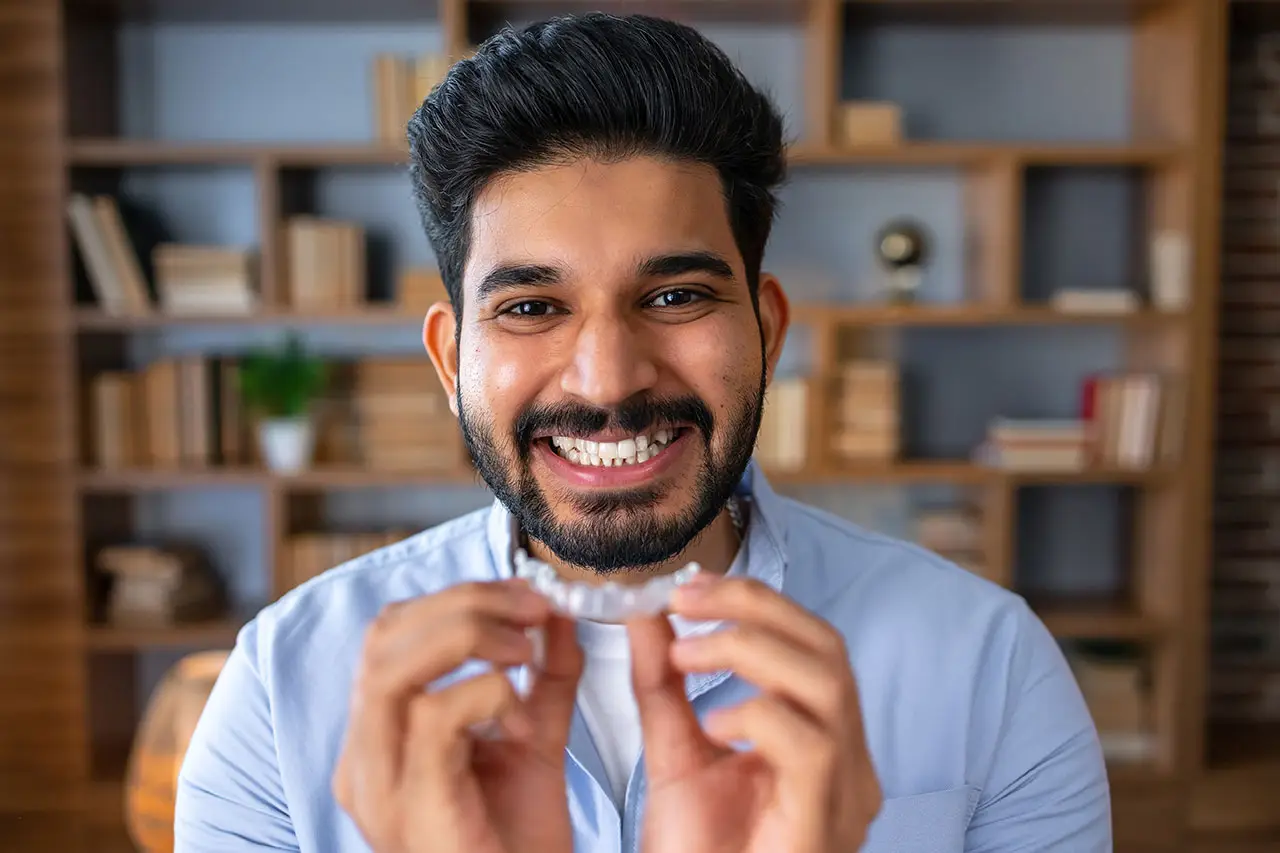
Finishing clear aligner treatment is an exciting milestone. After months of wearing trays and watching teeth gradually move into better positions, patients can finally enjoy the results of their commitment. However, achieving straighter teeth is only one part of the journey. Keeping them in place requires another important step: wearing retainers. Without proper retention, teeth can gradually shift and undo some of the progress made during treatment.
At Griffin Dental, clear aligners in Marshall, TX are planned with long-term smile stability in mind. Retainers help protect the final result by holding teeth in their corrected positions after active treatment ends. Understanding why retainers matter and how to care for them makes it easier to maintain your new alignment.
Why Teeth Can Shift After Clear Aligners
Teeth are not permanently locked into position. They are supported by bone, gums, and tiny fibers that connect them to the surrounding tissues.
During clear aligner treatment, controlled pressure gradually moves teeth into new positions. As teeth move, the bone and supporting tissues adapt.
After the last aligner is removed, these tissues continue adjusting. Without a retainer, some teeth may begin moving toward their previous positions.
This is called orthodontic relapse. It can happen after clear aligners or traditional braces, and it is one of the main reasons retention is considered a necessary part of orthodontic care.
Teeth can also shift naturally throughout adulthood, even in people who never had orthodontic treatment. Consistent retainer wear helps limit these changes.
What Are Orthodontic Retainers?
Retainers are custom appliances designed to hold teeth in their corrected positions. Unlike active clear aligners, which are made to move teeth, retainers are primarily intended to maintain alignment.
Some retainers are removable and look similar to clear aligner trays. Others use a thin wire attached behind certain teeth.
Each design has advantages, and the best choice depends on the patient’s bite, treatment results, cleaning habits, and other factors.
Dr. Griffin can explain which retainer design is appropriate and how often it should be worn.
Different Types of Retainers
Clear Removable Retainers
Clear retainers are custom plastic trays that fit closely over the teeth. They are discreet, comfortable for many patients, and easy to remove for eating and cleaning.
Because they cover the teeth, clear retainers can help maintain multiple tooth positions at the same time.
However, they must be worn consistently. They can also crack, become distorted by heat, or be lost if they are not stored properly.
Hawley Retainers
Hawley retainers generally combine a custom acrylic base with a metal wire that rests across the teeth.
These retainers may be adjustable in certain situations and can be durable when cared for properly.
However, they are more visible than clear retainers and may require a short adjustment period for speech and comfort.
Fixed Retainers
A fixed retainer uses a thin wire bonded behind selected teeth, often the lower front teeth.
Because it stays in place, patients do not have to remember to insert it each night. However, cleaning around the wire requires extra attention.
Fixed retainers can also loosen or break, so regular monitoring is important. Some patients may need removable retainers in addition to a fixed wire.
How Long Do You Need to Wear Retainers?
Retainer schedules vary based on the treatment plan. Some patients initially wear removable retainers for much of the day before transitioning to nighttime use.
Others may begin with a nighttime schedule. Your dentist will recommend the appropriate routine based on your tooth positions and treatment history.
Long-term retention is usually necessary because teeth can continue shifting throughout life.
For many patients, wearing retainers at night becomes a lasting habit, similar to brushing and flossing.
The most important rule is to follow the schedule provided rather than assuming retainers are no longer needed once teeth look straight.
Benefits of Retainers After Clear Aligners
- Maintains alignment: Retainers help hold teeth in the positions achieved during treatment.
- Reduces relapse: Consistent wear lowers the chance of unwanted tooth movement.
- Protects your investment: Retainers help preserve the time and expense involved in orthodontic care.
- Supports bite stability: Maintaining tooth positions helps preserve the planned relationship between upper and lower teeth.
- Encourages long-term habits: A simple nighttime routine makes retention easier to maintain.
- Provides a discreet option: Clear retainers are designed to be subtle and comfortable.
- Allows continued monitoring: Retainer visits help identify shifting or appliance problems early.
Retainers are an important part of orthodontic treatment rather than an optional accessory. They help patients enjoy the results of clear aligners for the long term.
What Happens if You Stop Wearing Your Retainer?
If retainers are not worn regularly, teeth may slowly move. The amount of movement depends on the individual and how long retention has been interrupted.
Some patients notice only a slight change. Others may develop new crowding or spaces that affect how the teeth fit together.
A retainer that once fit comfortably may begin feeling tight. This can be an early sign that tooth movement has occurred.
If your retainer no longer fits properly, do not force it into place. Doing so can create excessive pressure or damage the appliance.
Contact Griffin Dental for an evaluation. A new retainer or additional orthodontic treatment may be necessary depending on how much the teeth have moved.
How to Clean Clear Retainers
Clear retainers should be cleaned regularly to reduce plaque, odor, and buildup.
Rinse the retainer with cool or lukewarm water after removing it. Gently clean the surfaces with a soft toothbrush and an appropriate retainer cleaning product.
Avoid very hot water because heat can distort the plastic. Also avoid harsh household cleaners or abrasive products that may damage the material.
Some patients benefit from occasional soaking in a product specifically approved for their retainer type.
Always follow the cleaning instructions provided by your dental team, since different materials may require different care.
How to Store Retainers Safely
One of the most common reasons retainers are lost is improper storage.
Removing a retainer during a meal and placing it inside a napkin may seem convenient. Unfortunately, it can easily be thrown away with the trash.
Always use a protective retainer case. Keep the case clean, dry when appropriate, and away from excessive heat.
Do not leave retainers inside a hot car or near a heater. High temperatures may change their shape.
Pets are another concern. Dogs and other animals may chew retainers because they carry familiar scents.
Keeping retainers in a secure case helps prevent unnecessary replacement expenses.
Eating and Drinking With Retainers
Most removable retainers should be taken out before eating. Chewing while wearing them can damage the appliance or trap food against the teeth.
Water is generally the safest beverage while wearing clear retainers. Coffee, tea, soda, and other colored beverages may stain them or allow sugars and acids to remain against the enamel.
After eating, brush or rinse your teeth before putting the retainer back in.
These simple habits help protect both the appliance and your oral health.
Why Retainer Fit Should Be Checked
A retainer should fit securely without causing significant discomfort. Mild pressure may occur when wearing it after a short break, but ongoing pain or a major change in fit deserves attention.
Retainers can wear down, crack, or become distorted. Fixed retainer wires can also loosen from the tooth surface.
Regular dental visits provide an opportunity to check the condition of your retainers and discuss any changes you have noticed.
Bringing removable retainers to your dental appointments can make it easier to evaluate their condition.
Retainers and Long-Term Oral Health
Maintaining tooth alignment can support easier brushing and flossing. When teeth overlap or become crowded, plaque may collect in areas that are harder to clean.
Retainers help preserve the alignment achieved during treatment, which can make daily hygiene more manageable.
However, retainers themselves also need cleaning. Wearing a dirty appliance may allow plaque and bacteria to remain against the teeth.
A healthy routine includes brushing twice daily, cleaning between teeth, maintaining the retainer, and attending regular preventive visits.
Frequently Asked Questions About Retainers
Do You Have to Wear Retainers Forever After Clear Aligners?
Long-term retention is generally recommended because teeth can shift throughout life. The exact schedule should follow your dentist’s instructions.
What if My Retainer Feels Too Tight?
A tight retainer may indicate tooth movement or a change in the appliance. Contact your dentist if it does not fit normally or causes discomfort.
Can I Use My Last Clear Aligner as a Retainer?
Do not assume your final treatment tray is a suitable long-term retainer. Retainers are designed for ongoing use, and your dentist should provide the appropriate appliance.
How Often Should Retainers Be Replaced?
Replacement depends on the material, wear, fit, and condition. Retainers should be evaluated when they crack, loosen, distort, or stop fitting properly.
Keeping Your Straight Smile on Track
Clear aligner treatment can create meaningful changes in tooth alignment, but retainers help preserve those results. Consistent wear, proper cleaning, safe storage, and regular dental monitoring are the keys to long-term success.
If you need a retainer evaluation or want to discuss clear aligner treatment, contact Griffin Dental at 903-702-9993 or visit 402 W Bowie St, Marshall, TX 75670 to Book an Appointment.
New patients welcome
Your healthiest smile can start here.
Tell us what brings you in. We’ll listen, take a careful look, and help you understand what comes next.