
Patient education
Root Canal Therapy In Marshall, TX: Relief From Tooth Pain While Saving Your Natural Tooth
A toothache can change everything, sleep, focus, mood, even what you eat. The hardest part is that tooth pain often feels urgent, yet the solution is not always…
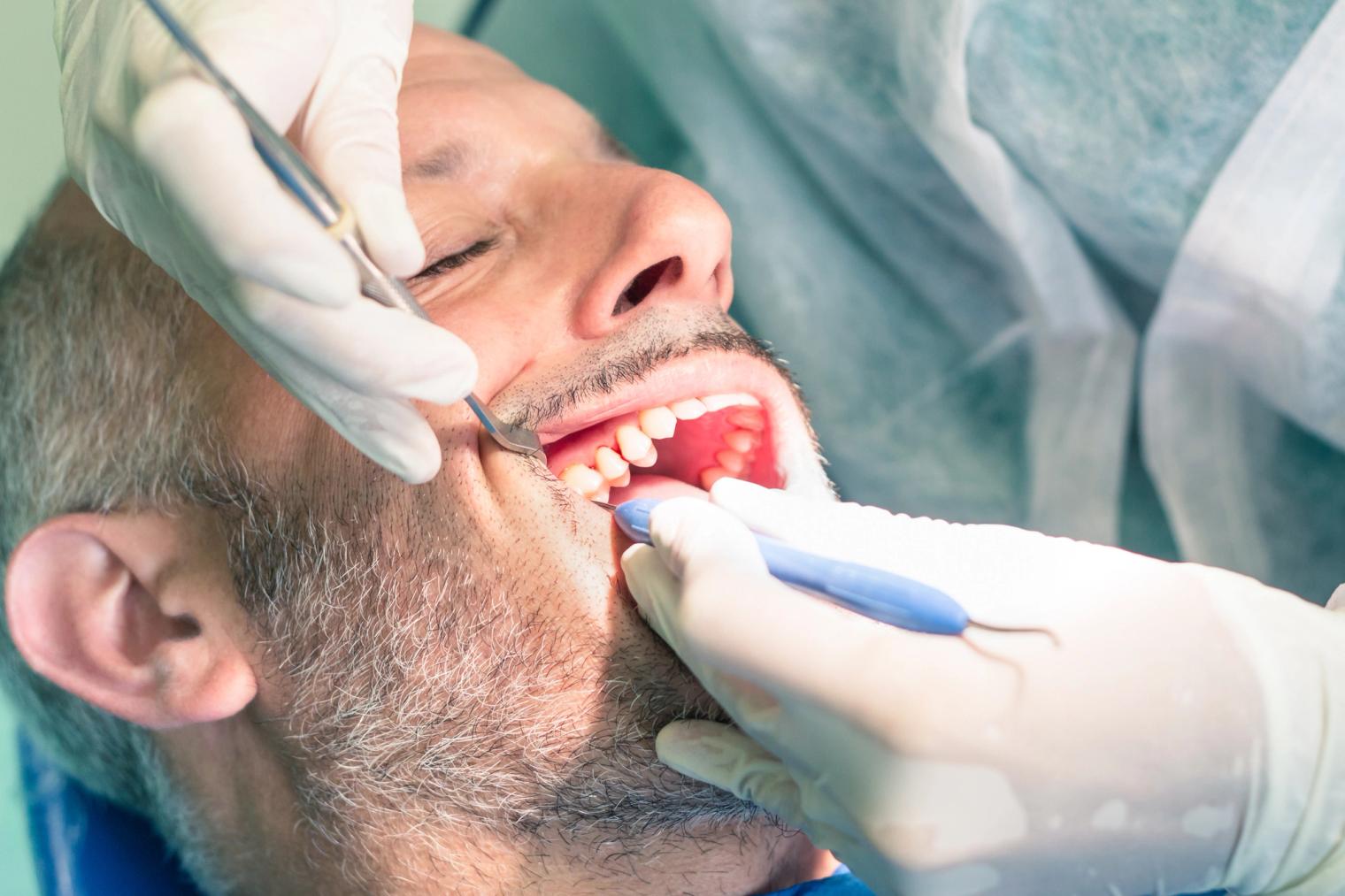
What Root Canal Therapy Really Does
402 W Bowie St Marshall, TX 75670
Published on May 19, 2026 | 7 minute read
Signs You Might Need Root Canal Therapy
A toothache can change everything, sleep, focus, mood, even what you eat. The hardest part is that tooth pain often feels urgent, yet the solution is not always obvious. Many people fear they will lose the tooth. In reality, is designed to remove the source of pain and infection while preserving your natural tooth whenever possible. When done at the right time, it can turn a miserable situation into steady relief.
Inside each tooth is a soft center that contains nerves and blood supply. When deep decay, a crack, or trauma irritates this inner tissue, inflammation can become intense. Sometimes the tissue becomes infected. removes the inflamed or infected tissue, cleans the inner space, and seals it so bacteria cannot return.
What To Expect During Root Canal Therapy
A root canal does not remove the tooth. It is a tooth-saving procedure. After , the tooth often needs a crown for strength, especially on back teeth that carry heavy chewing forces.
Not all tooth pain means a root canal, but these signs suggest it is time to get evaluated:
Step 1: Getting You Comfortable
Some infections are quiet at first. That is why imaging and exams matter. A tooth can have deep infection without constant pain, and early care can prevent the problem from spreading.
One of the biggest misconceptions is that is painful. Most of the time, the root canal is what stops the pain. The procedure itself is performed with local anesthetic so you can stay comfortable.
Step 2: Cleaning The Inside Of The Tooth
We numb the area thoroughly. If you are anxious, ask about nitrous oxide. Comfort options can make the experience far easier.
A small opening is made to access the inner space. The inflamed or infected tissue is removed, and the canals are cleaned carefully. This is the part that removes the source of the ache.
Step 3: Sealing And Protecting The Tooth
After cleaning, the canals are sealed. A protective filling is placed. In many cases, a crown is recommended afterward to protect the tooth from cracking.
Removing a tooth can seem like the quickest path, but tooth loss creates new challenges. Teeth around the gap can shift. Chewing patterns change. In time, bone can shrink in that area. Replacing a missing tooth with an implant or bridge can be excellent, but it adds steps and costs.
Why Root Canal Therapy Often Beats Extraction
often allows you to keep your natural tooth, which is usually the simplest long-term option when the tooth can be saved safely. If the tooth is too damaged or cracked below the gumline, extraction may be the healthier choice. The key is getting evaluated early enough to have options.
Here are practical reasons patients are relieved they chose :
How This Helps You
For most people, the biggest benefit is simple, you can sleep again, eat again, and stop worrying about the tooth.
After , you may feel mild soreness for a few days, especially if there was infection and inflammation around the root. Over-the-counter pain relief is often enough. Try to avoid chewing hard foods on that tooth until it is fully restored.
Aftercare And Recovery
If you had significant swelling or infection, improvement may be gradual over several days. Follow the care instructions closely, and take any prescribed medications as directed. Routine follow-up matters, especially if a crown is recommended, because the tooth needs protection from fracture.
A tooth that has had can become more brittle over time, especially molars. The crown acts like a protective shell that restores strength and reduces cracking risk. Skipping the crown can increase the chance that the tooth breaks later, which may lead to extraction. In many cases, the crown is the step that makes the root canal investment last.
Why A Crown Is Often Recommended After Root Canal Therapy
If you have been avoiding care, you are not alone. Anxiety often grows when pain grows. A calm approach, clear explanations, and comfort options can change the whole experience. Nitrous oxide can help many patients relax during . The goal is not to “tough it out,” the goal is a comfortable process that solves the problem.
Yes, it is a well-established procedure designed to treat infection and preserve teeth.
Root Canal Therapy And Dental Anxiety
You should not feel sharp pain when properly numb. You may feel pressure, but the goal is comfort.
Timing depends on the tooth and complexity. Some cases are completed in one visit, others may take more than one appointment.
Common Questions About Root Canal Therapy
Many teeth look the same afterward. If a tooth has darkened due to trauma, cosmetic options may be discussed. A crown can also improve appearance if the tooth is heavily restored.
Proper cleaning, sealing, and restoration reduce that risk significantly. Keeping the final restoration on schedule is important.
When To Call Right Away
Call promptly if you have swelling, fever, pain that worsens quickly, or a toothache that keeps you from sleeping. Early evaluation helps avoid complications and keeps treatment options simpler. Waiting can allow infection to spread, which can increase discomfort and urgency.
If a toothache is taking over your day, may be the solution that brings relief while saving your tooth. To get a clear diagnosis and a comfort-focused plan, contact at or call to and get help that puts you back in control.
Relief And Tooth Preservation In Marshall, TX
Experience the Griffin Dental Difference
What to know
- Pain that lingers after hot or cold
- Pain that wakes you up at night
- Swelling in the gum near a tooth
- A pimple-like bump on the gum
- A darkening tooth after trauma
- Pain when biting, especially if it feels sharp
- A tooth that suddenly becomes very sensitive
- Removes the source of tooth pain and pressure
- Treats infection so swelling can resolve
- Helps you keep your natural tooth when possible
- Restores comfortable chewing after proper restoration
- Can prevent infection from spreading to other areas
- Often reduces the need for tooth replacement planning
New patients welcome
Your healthiest smile can start here.
Tell us what brings you in. We’ll listen, take a careful look, and help you understand what comes next.